Formwork & Scaffolding Products
78 engineered systems manufactured in mild steel to IS/ISO standards — built for strength, speed of erection and long service life across India's toughest infrastructure projects.









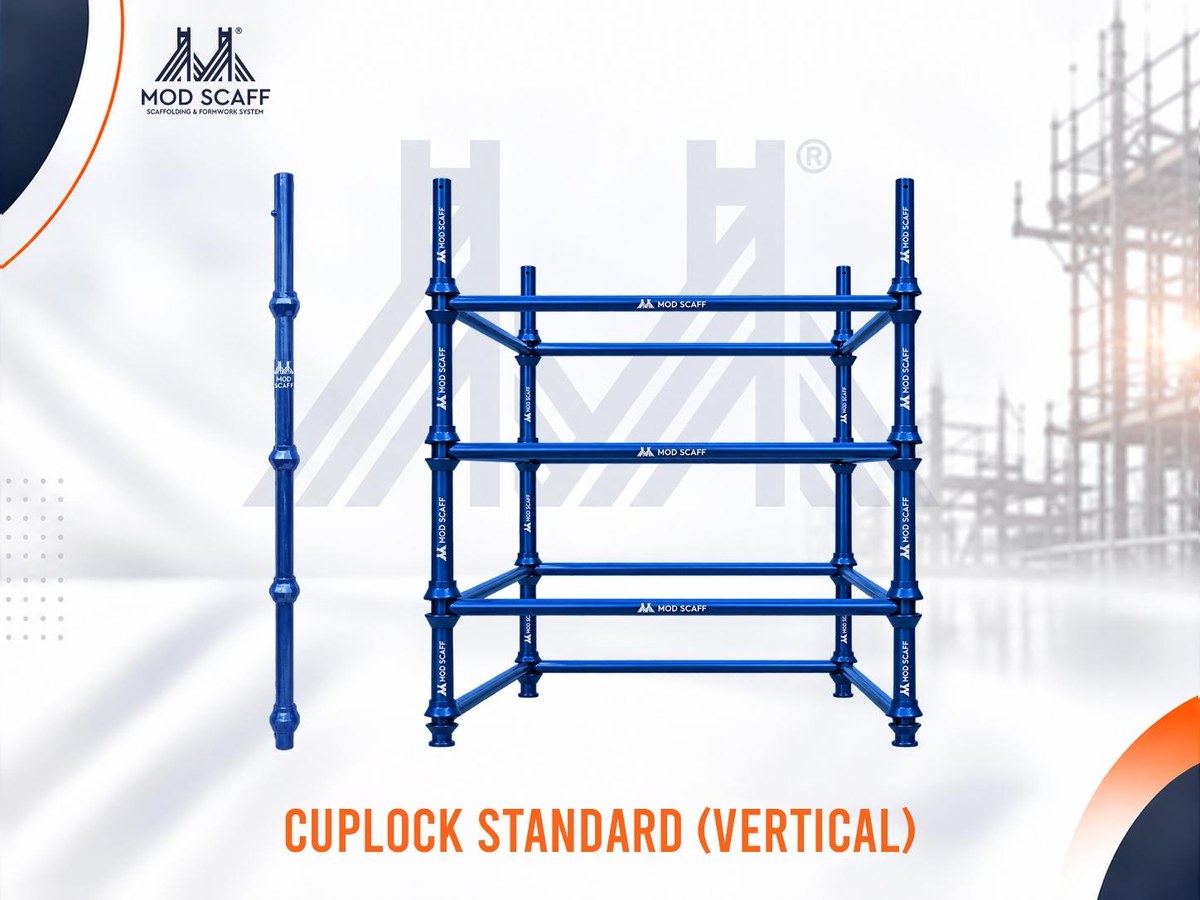


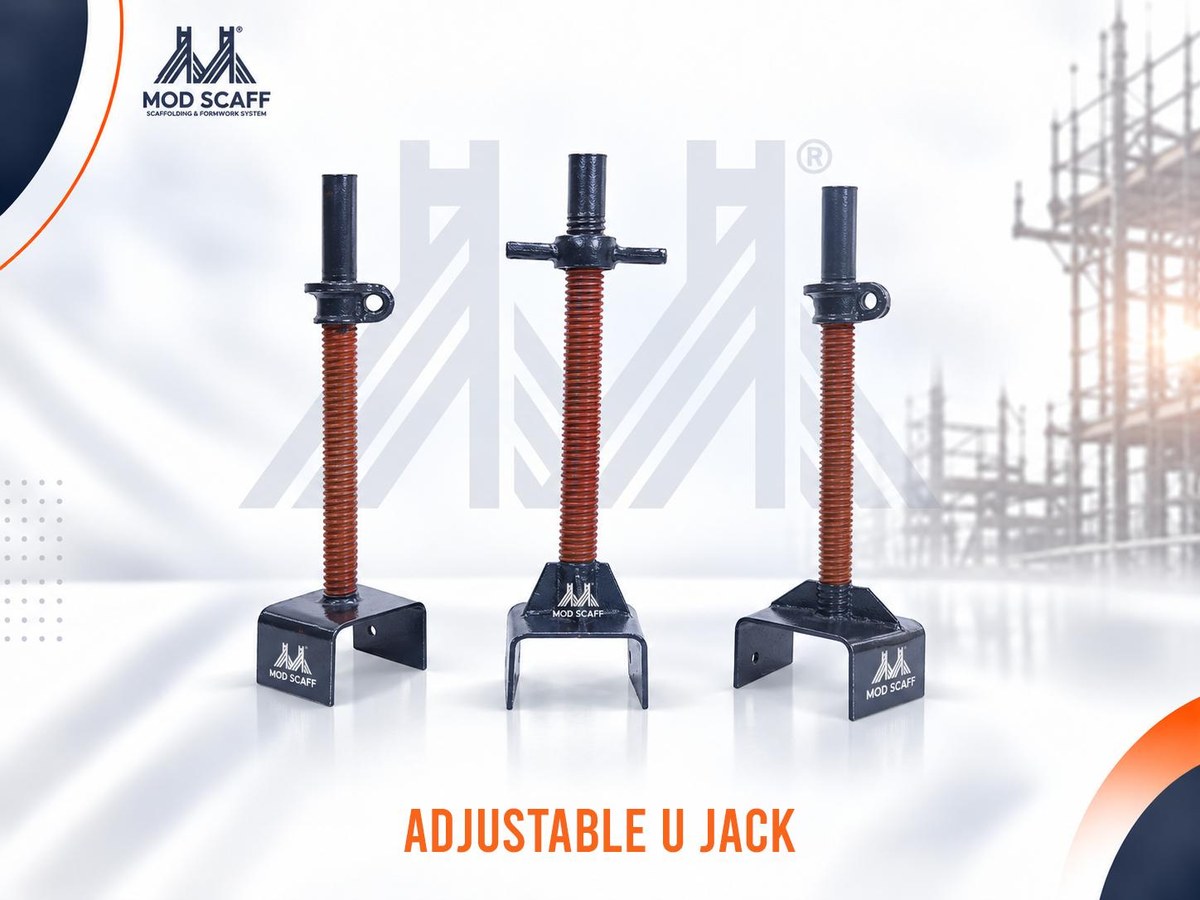
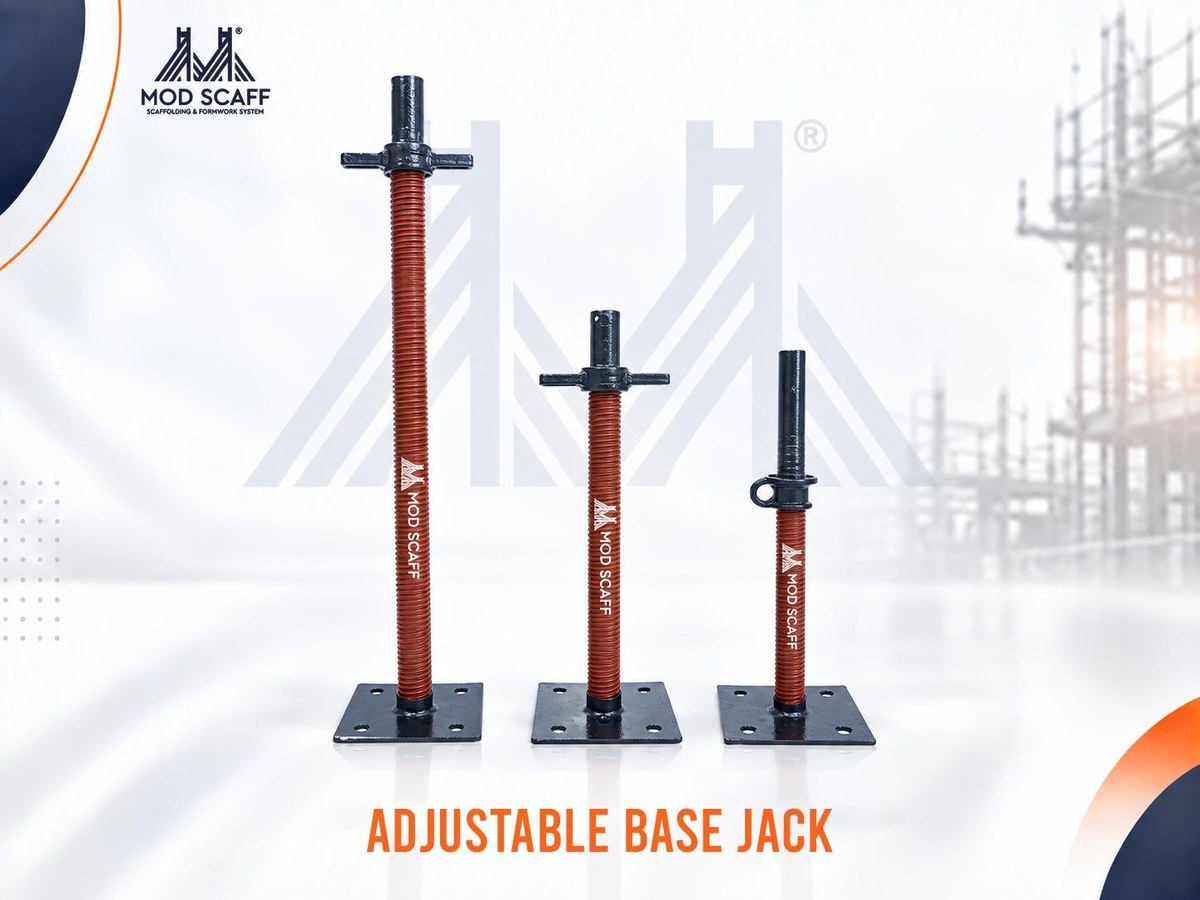

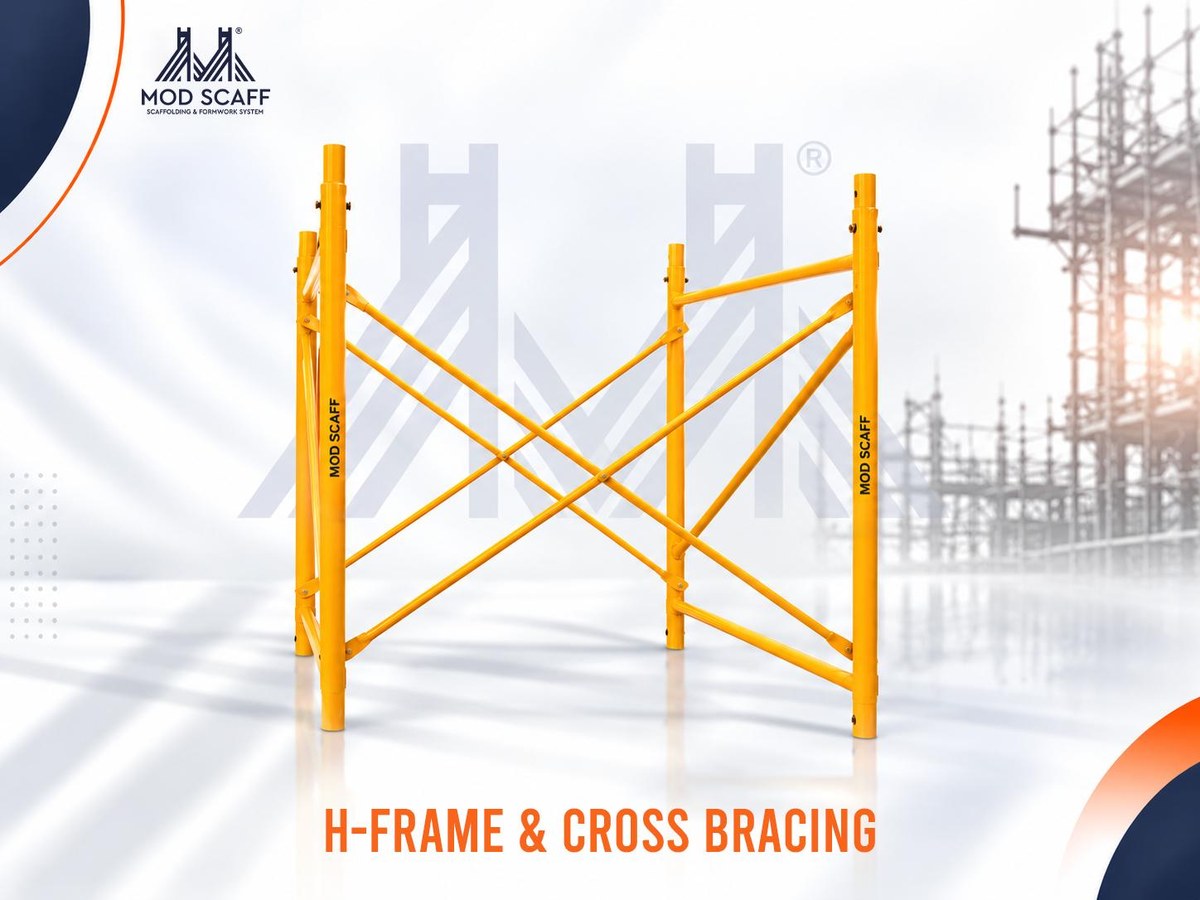


Coupler & Accessories

Swivel Coupler
The Swivel Coupler is a steel connector that joins two scaffold tubes together at any angle. Its body turns freely, so it is the right choice where a brace runs on a slope. It locks itself tight with a wedge or a nut and bolt, which is simple to do. The strong steel body and weather-proof finish last well outdoors. Used for bracing in tube-and-coupler scaffolding.
View details →
Right Angle Coupler
The Right Angle Coupler is a steel clamp that joins an upright tube to a horizontal tube. It holds them at a fixed square corner and does not turn. This rigid joint keeps the scaffold frame square and stable under load. It can be tightened quickly with a wedge or a nut and bolt, which speeds up erection. Used in scaffold bays and tube-and-coupler frames.
View details →
Forged Swivel Coupler
The Forged Swivel Coupler is an upgraded swivel joint with a body made fully of drop-forged steel. This means the steel is shaped under great force, which adds extra strength and a safety margin. It turns to any angle, so it suits diagonal braces. It resists slipping under constant heavy loads, and the zinc coating gives longer life outdoors. Used for diagonal bracing in heavy infrastructure and industrial work.
View details →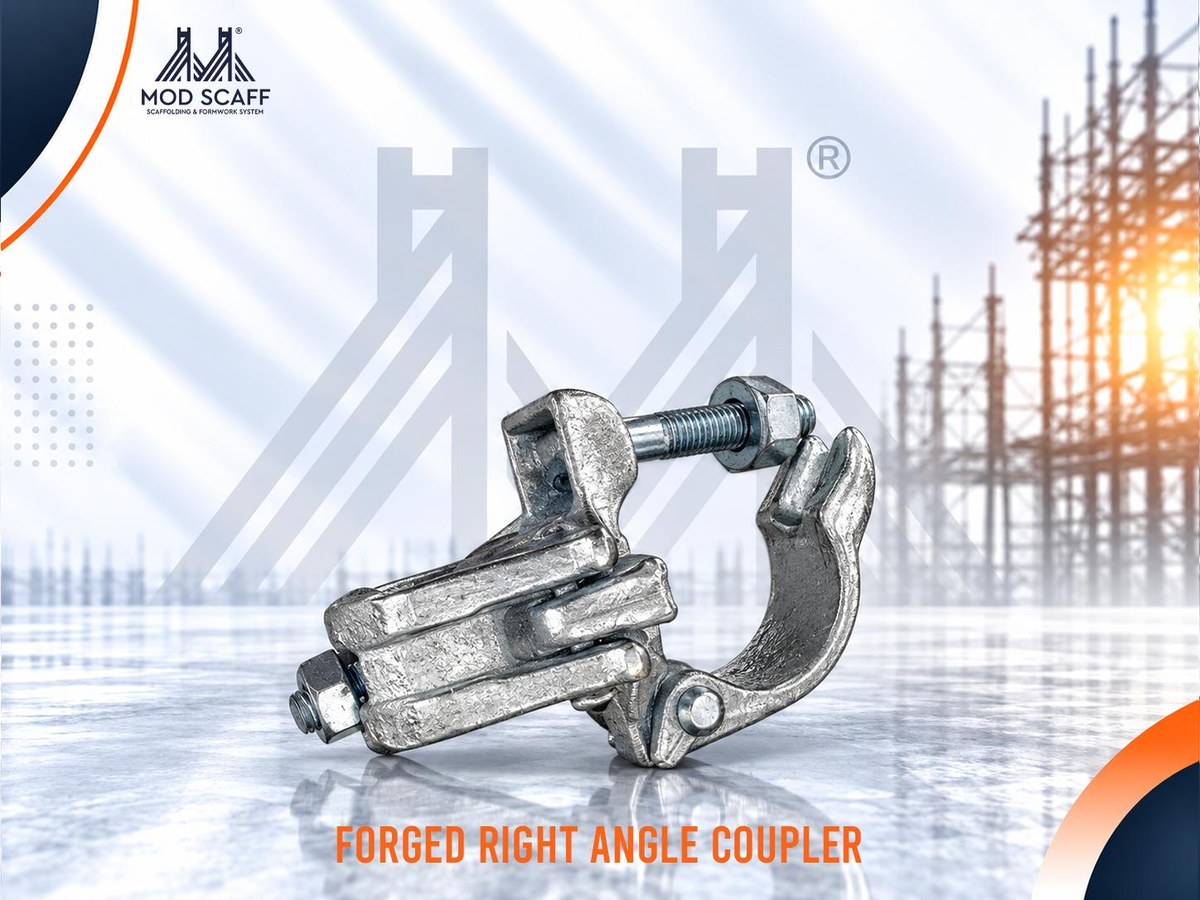
Forged Right Angle Coupler
The Forged Right Angle Coupler is a heavy-duty version of the standard right angle coupler. Its one- piece body is made of drop-forged steel, so it passes load from tube to tube well. It holds tubes at a fixed square corner and keeps the bays rigid. It resists bending even when put up and taken down again and again, and the galvanised coating fights rust. Used in high-rise and high-load scaffolding.
View details →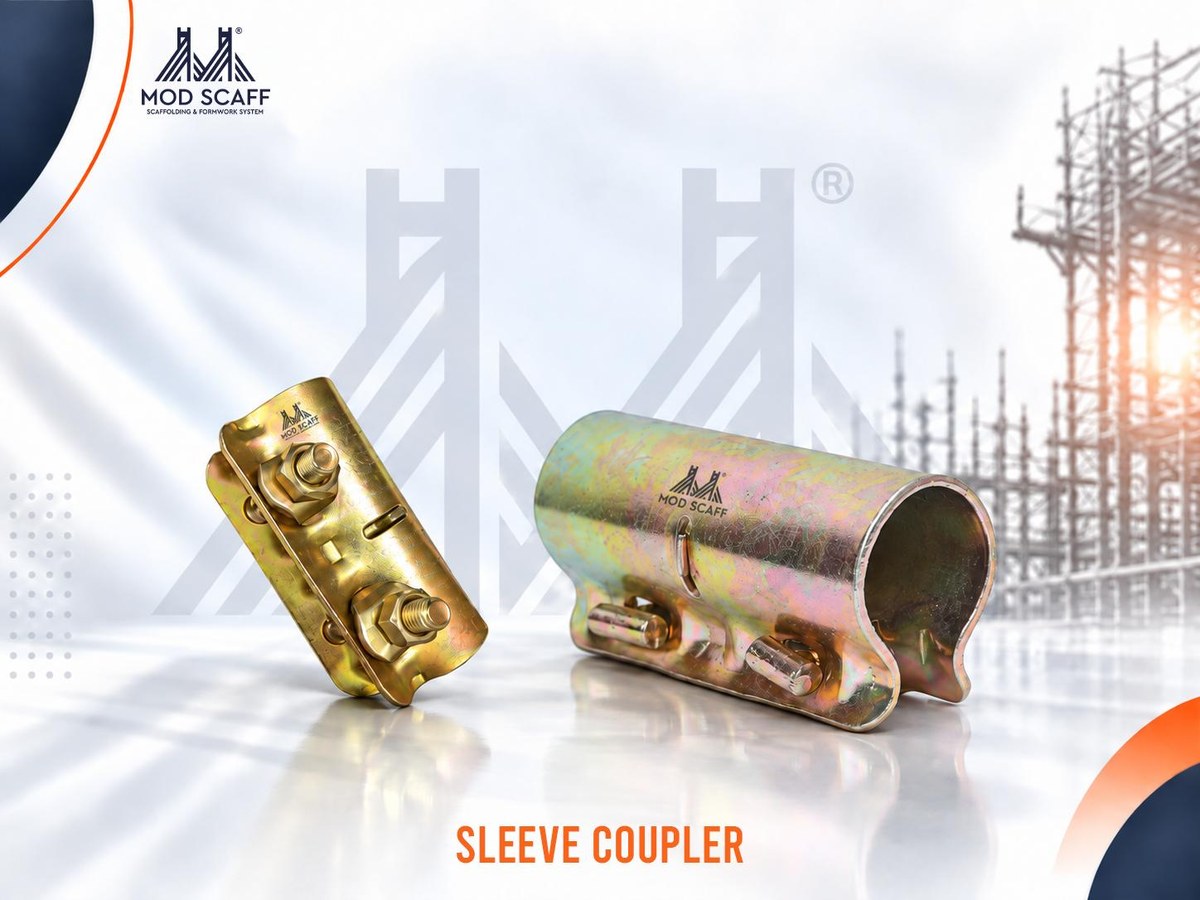
Sleeve Coupler
The Sleeve Coupler is a steel fitting that joins two scaffold tubes end to end without losing strength. An inner sleeve keeps the two tubes flush and in a straight line, giving one clean, continuous run. Bolts hold the joint tight, so it does not slip. The strong steel and rust-resistant finish suit long tubes and long use. Used for making taller uprights and longer horizontal tubes.
View details →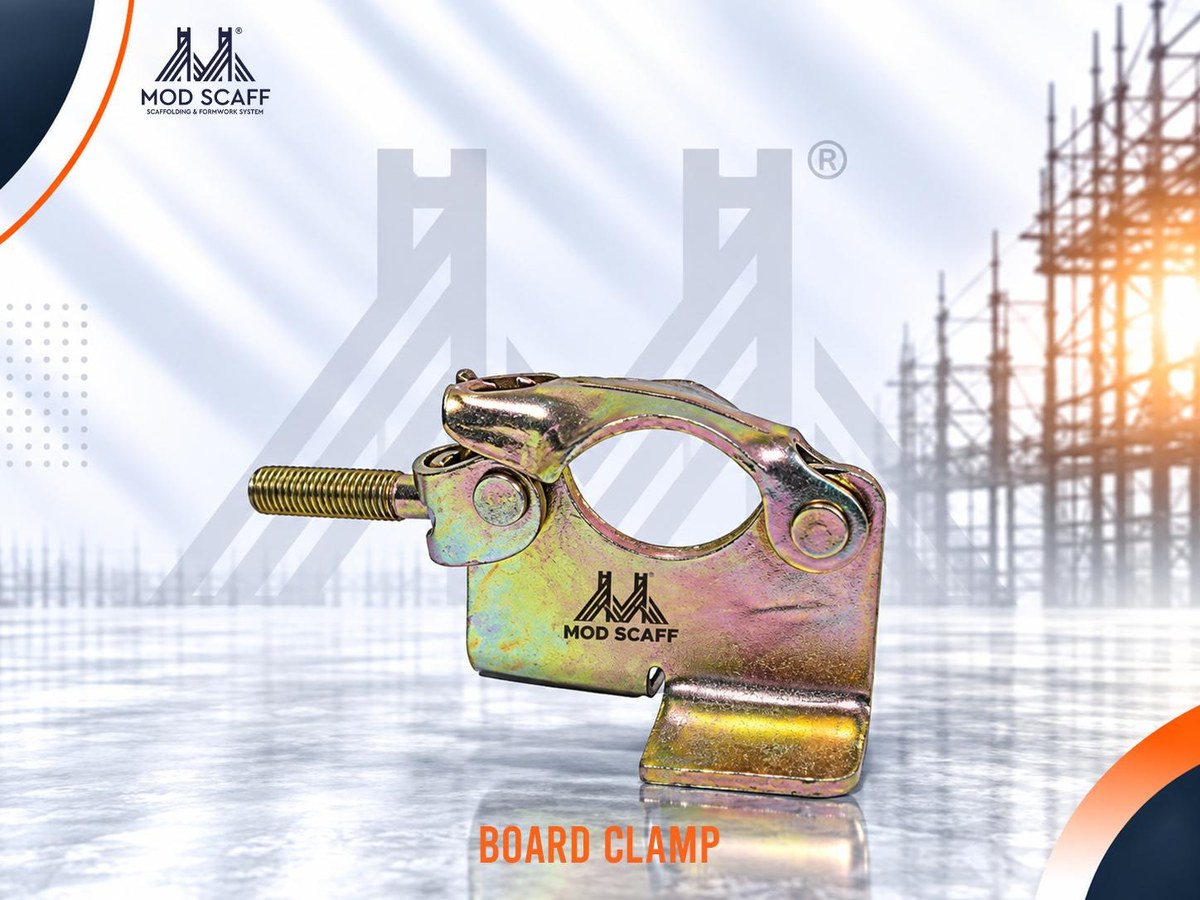
Board Clamp
The Board Clamp is a steel clamp that holds toe boards and edge protection against the scaffold uprights. It closes the gap at the edge of a working platform, so tools and debris stay on the deck. It grips firmly and clamps on fast. It also helps meet safety needs for work at height, and the rust- resistant steel lasts. Used in scaffold working decks to keep tools from falling.
View details →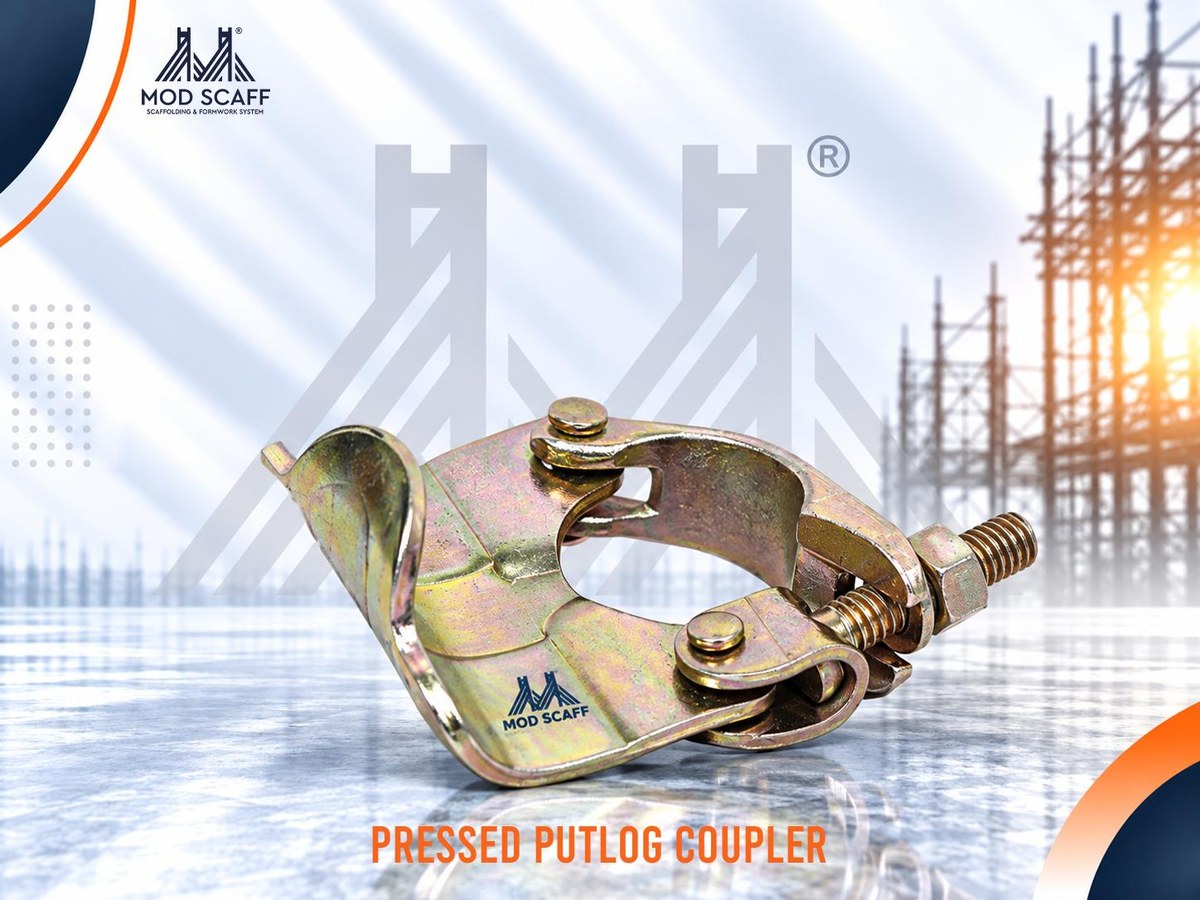
Pressed Putlog Coupler
The Pressed Putlog Coupler is a light coupler made of pressed steel. It joins a putlog tube to an upright where a full coupler is not needed. It is easy to handle and quick to fix, and it holds board supports reliably. It costs less than a full coupler, and the rust-resistant finish allows many reuses. Used for carrying board bearers across a scaffold bay.
View details →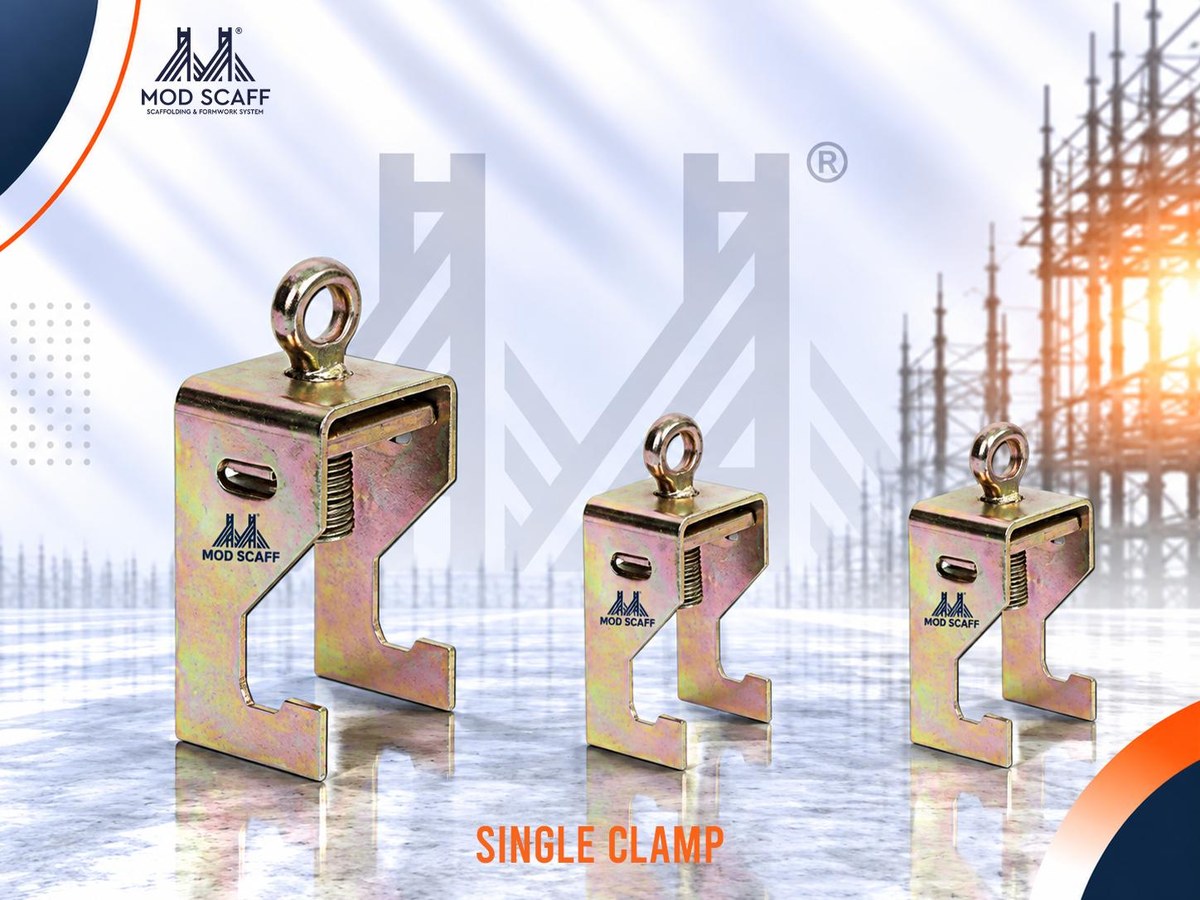
Single Clamp
The Single Clamp is a small steel fitting for light fixing jobs on a scaffold. It is a low-cost choice where a full coupler is not needed. Once the bolt is tightened, the clamp grips firmly. Its neat, small size suits light-duty joints, and it is simple to fit. The coating resists rust on site, so it keeps working well outdoors. Used for clipping ties and light bracing to scaffold tubes.
View details →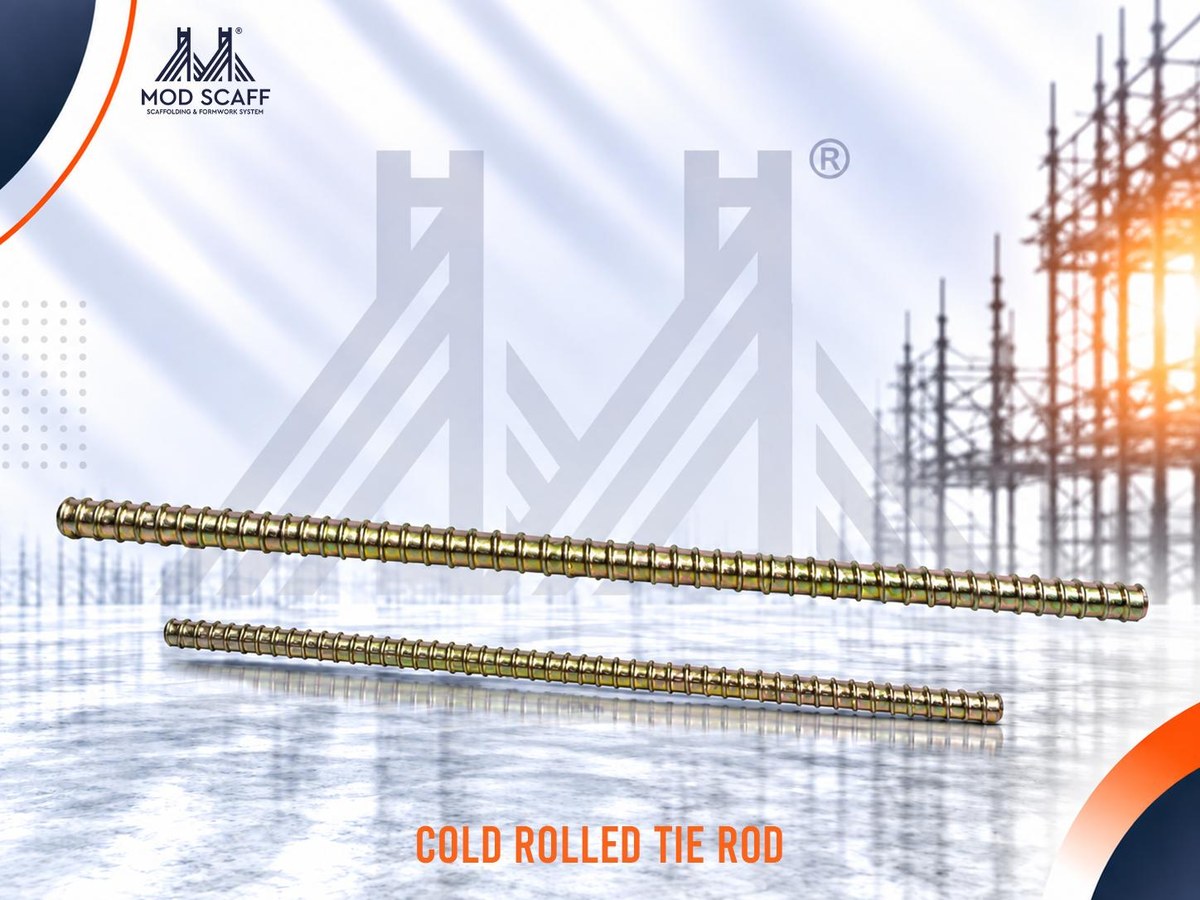
Cold Rolled Tie Rod
The Cold Rolled Tie Rod is a threaded steel rod that holds the two sides of a wall form at the right distance. It resists the outward push of wet concrete, so the panels stay true during the pour. The thread runs the whole length, so the nut grips at any point. It fits standard wing nuts and waller plates, and can be reused if cleaned. Used for tying concrete wall formwork panels together.
View details →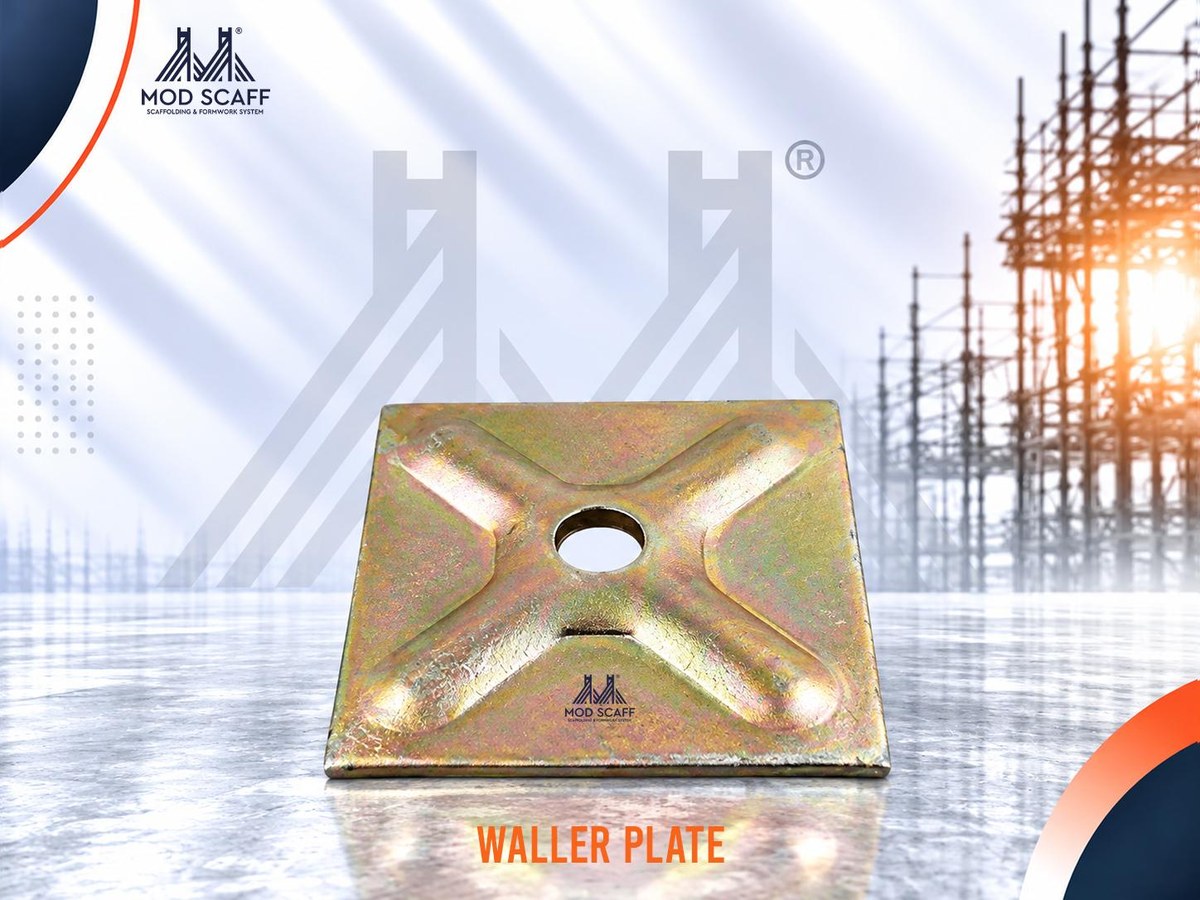
Waller Plate
The Waller Plate is a strong steel plate that spreads the pull of a tie rod across the wall shuttering. This stops the panels from bowing and keeps the wall face flat. It is made of heavy steel, so it takes heavy concrete pressure and clamps with a strong hold. It is simple to position and can be reused over many pours. Used in wall shuttering during concrete wall pours.
View details →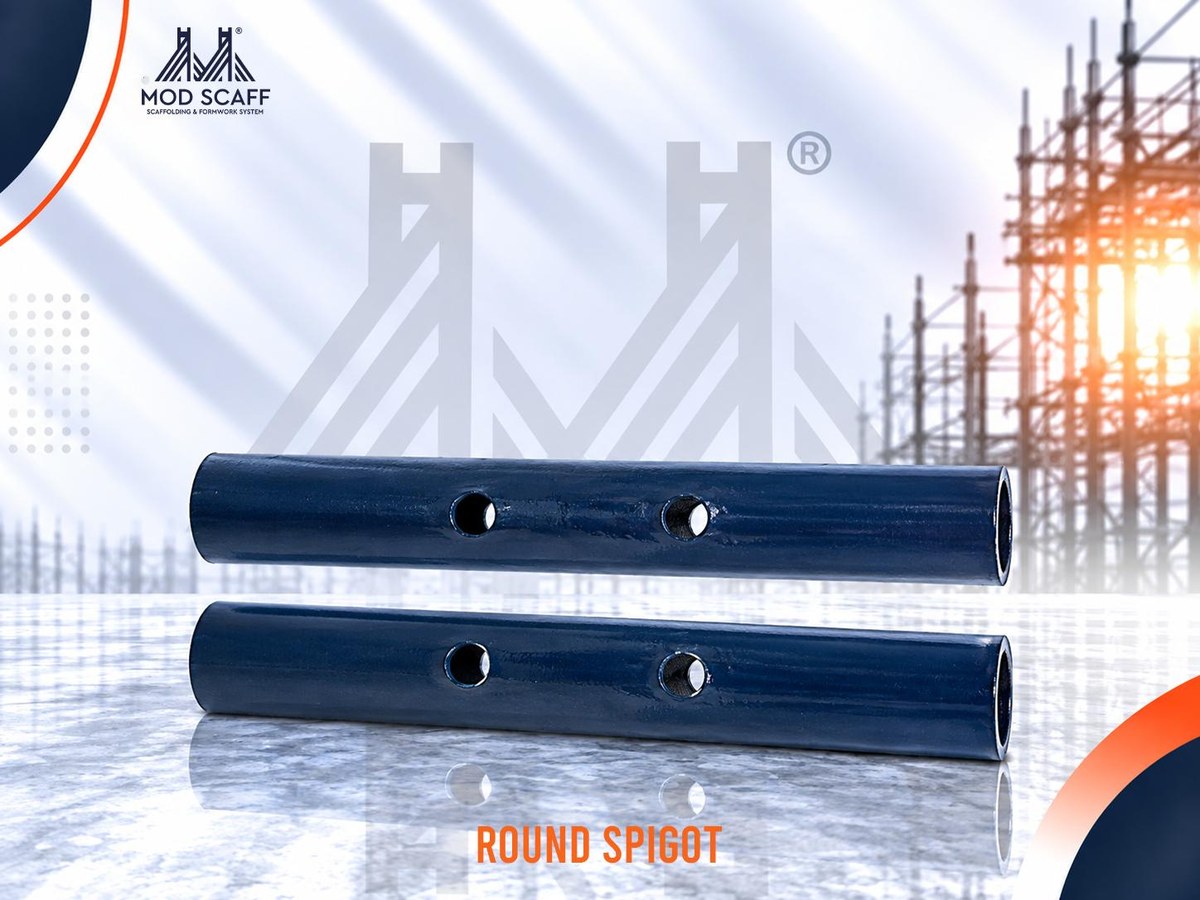
Round Spigot
The Round Spigot is a machined steel connector that joins upright sections end to end. It fits snugly and lines itself up, so stacked sections stay level and true. This makes vertical erection faster, because crews can connect parts quickly and without fuss. The rust-resistant finish holds up well when the spigot is reused again and again. Used for connecting stacked formwork or scaffold sections.
View details →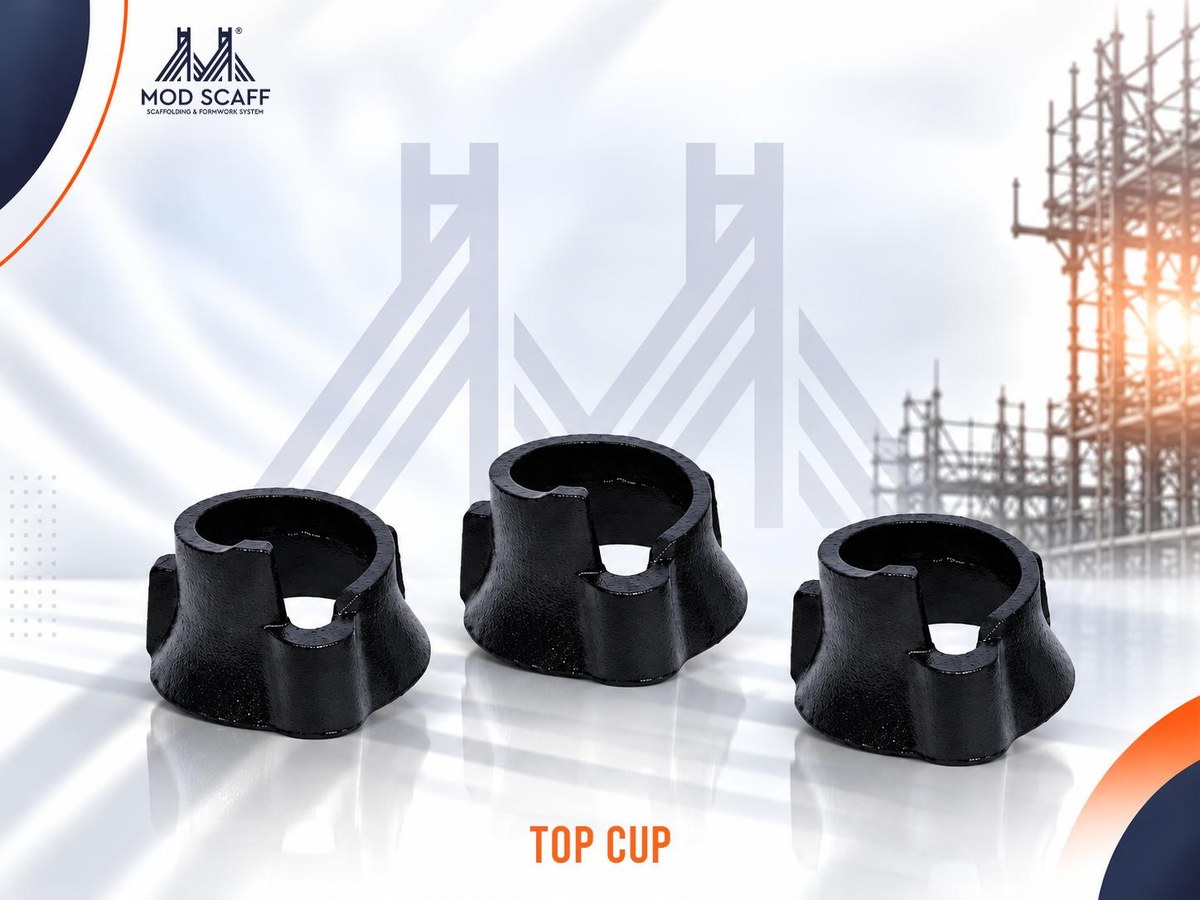
Top Cup
The Top Cup is the turning upper half of a cuplock joint. It drops over the bottom cup and locks the ledger blades in place, so there are no loose nuts or bolts to lose. The drop-and-turn action needs no tools, which makes erection fast. The pressed steel stays strong under heavy loading, and the finish resists rust. Used in cuplock scaffolding to join horizontal tubes to uprights.
View details →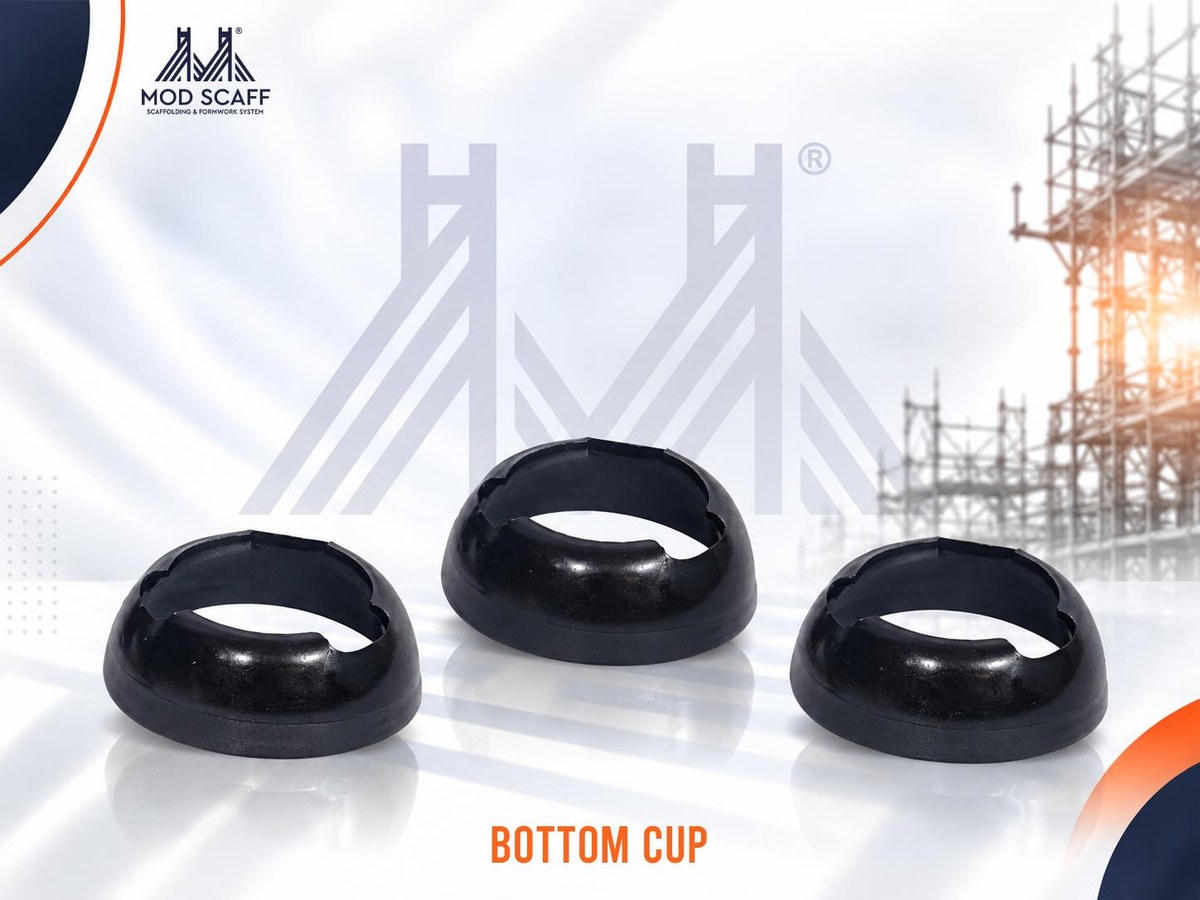
Bottom Cup
The Bottom Cup is the fixed lower half of a cuplock joint. It is welded to the upright tube and receives the ledger blades and the top cup. It can take up to four ledgers at one point, which gives a rigid base for the frame. Every cuplock connection is anchored by it, and the heavy-duty steel is built for hard service. Used for the fixed base of cuplock joints in scaffold frames.
View details →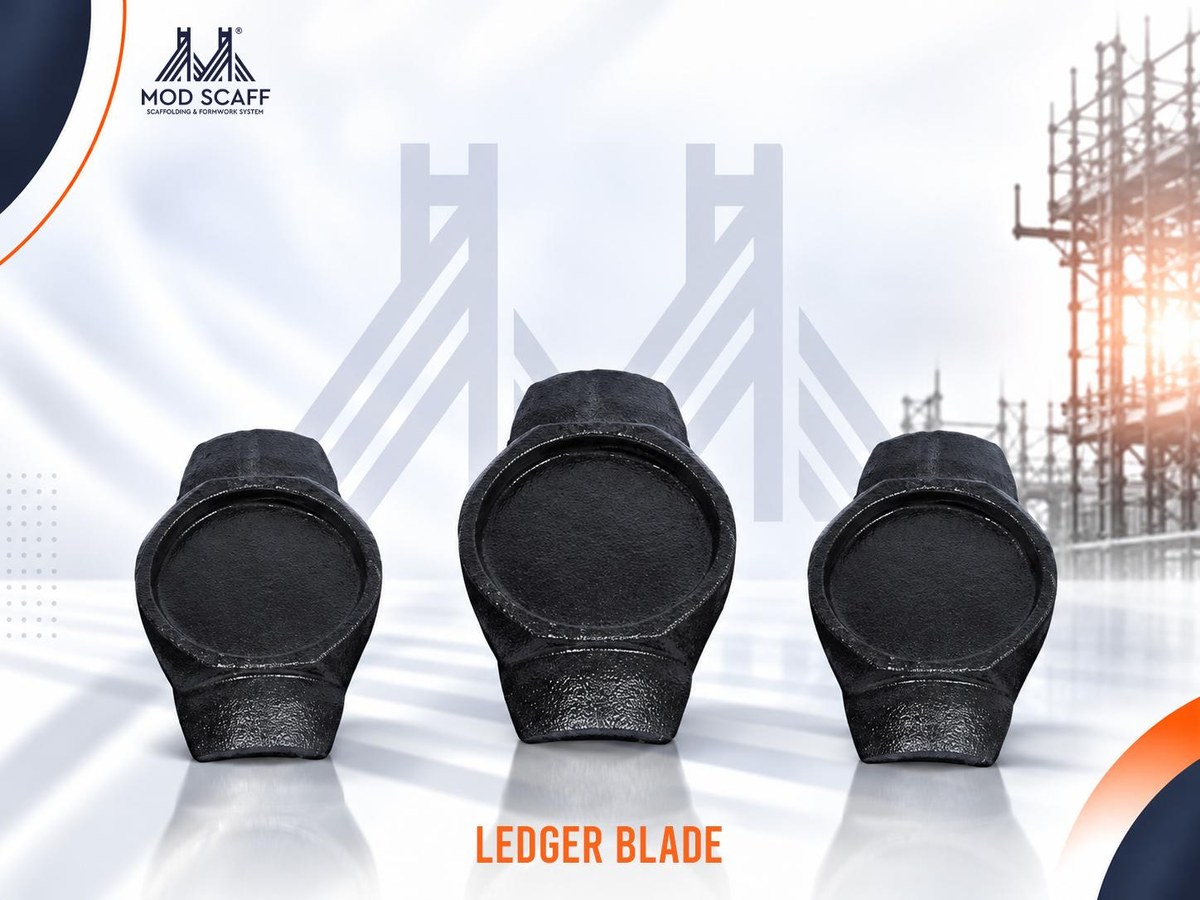
Ledger Blade
The Ledger Blade is a pressed steel blade welded to the end of a horizontal tube. It slots into the bottom cup and then locks under the top cup. Because it is welded on, it stays fixed and lined up on the tube. This lets crews join bays quickly with few tools, and the strength stays the same from piece to piece. Used in cuplock scaffolding to join bays quickly.
View details →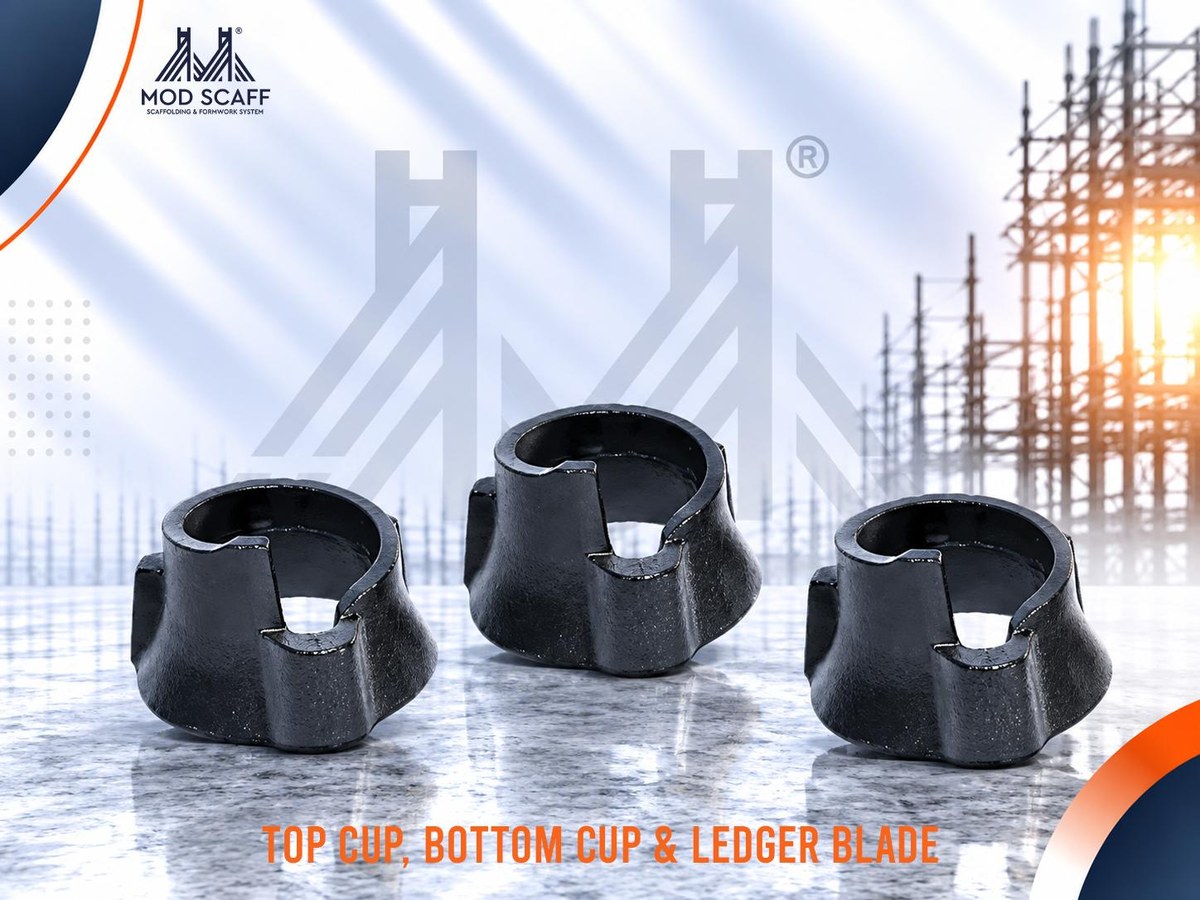
Top Cup, Bottom Cup & Ledger Blade Set
This is a complete cuplock jointing set that includes a top cup, a bottom cup and a ledger blade. The three parts are made to fit together as one system, so every connection is simple and repeatable. Putting up a scaffold with it is quicker than with tubes and couplers. The rust-resistant steel gives the set a long life on site. Used in building cuplock scaffolding.
View details →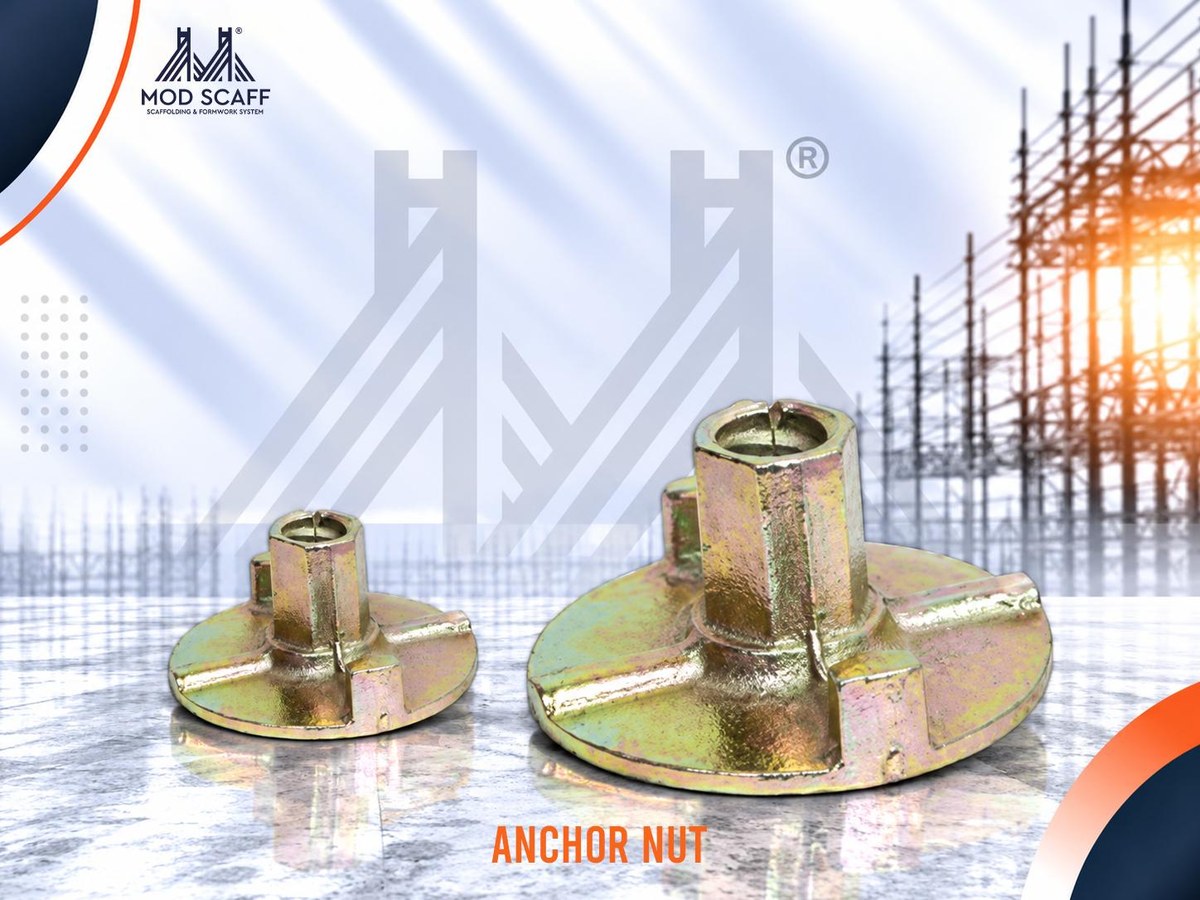
Anchor Nut
The Anchor Nut is a strong nut that threads onto a tie rod and is cast into the concrete. It gives the formwork a fixed anchor point and holds the panel firmly under load. After the concrete has cured, it allows the tie rod to be pulled out cleanly. It is easy to thread on, and its high-tensile steel gives reliable holding strength. Used for fixing points in wall formwork.
View details →
Wing Nut
The Wing Nut is a nut with two wings that is tightened by hand, so no wrench is needed. It locks formwork panels against the waller plates and tie rods. It is quick to tighten and loosen, which speeds up both shuttering and removal. The wings are easy to hold and turn, and the grip stays secure over repeated use. Used for fastening formwork panels on tie rods.
View details →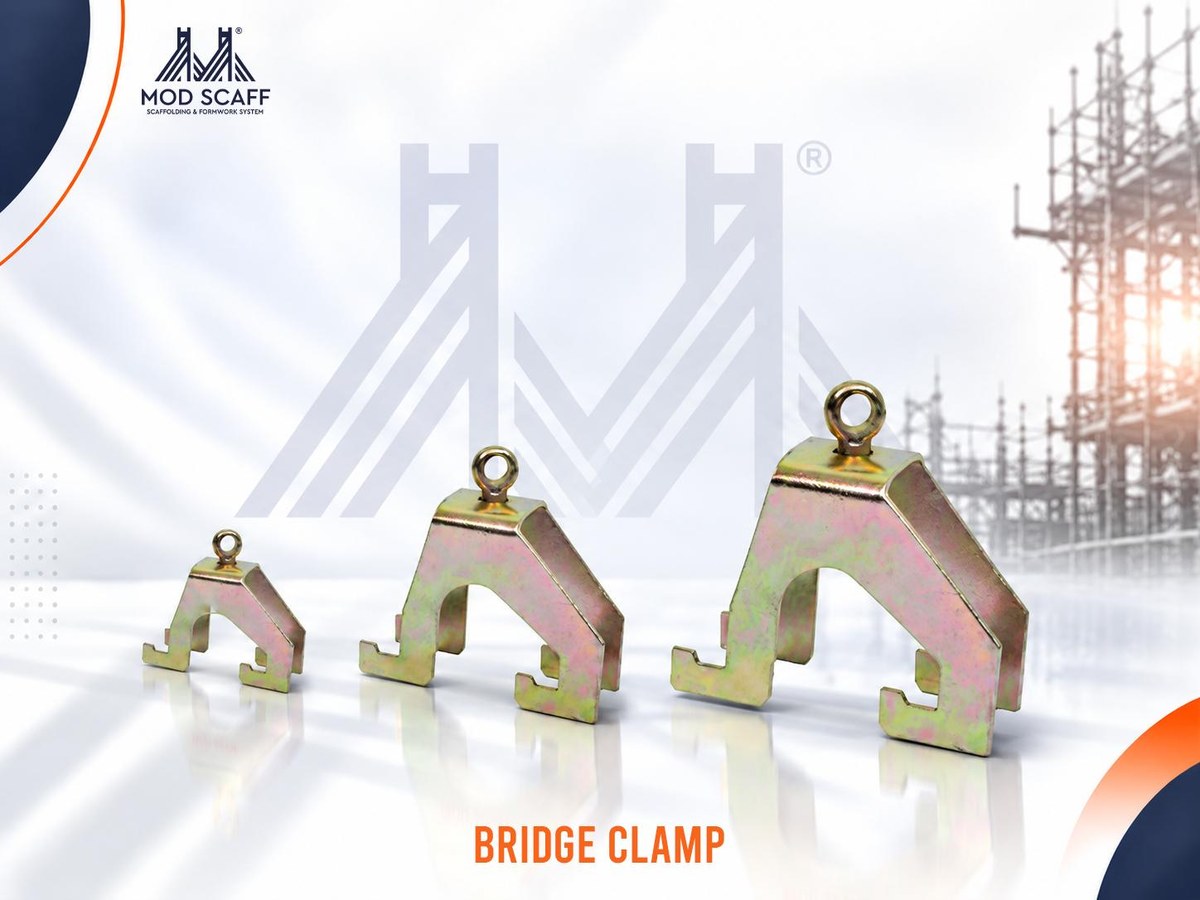
Bridge Clamp
The Bridge Clamp is a heavy clamp that grips larger tubes or beams where a standard coupler cannot reach. It spans wider sections and adds grip and stability to wide connections. The clamping force is strong, and the steel body is built for heavy-duty service. A corrosion-resistant finish helps it last on site. It is a handy fitting when the usual coupler is too small for the job. Used in scaffolding and formwork frames.
View details →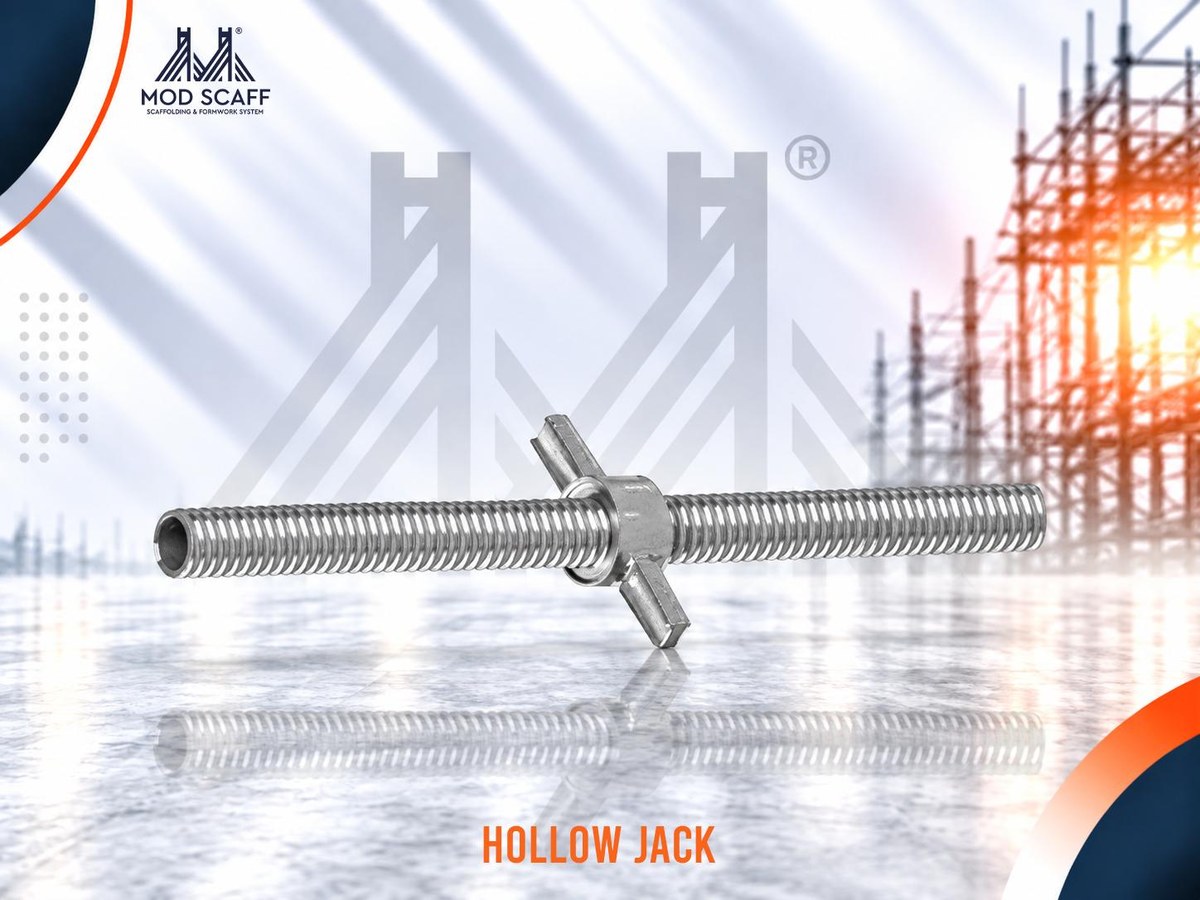
Hollow Jack
The Hollow Jack is a telescoping screw jack that fine-tunes the height of a scaffold. The screw turns smoothly, and the jack stays steady once it is loaded. This gives a precise fit under load and lets crews level the structure. It is made from a strong steel bar and has a painted finish for site use. Used for levelling scaffolding and shoring towers on uneven ground.
View details →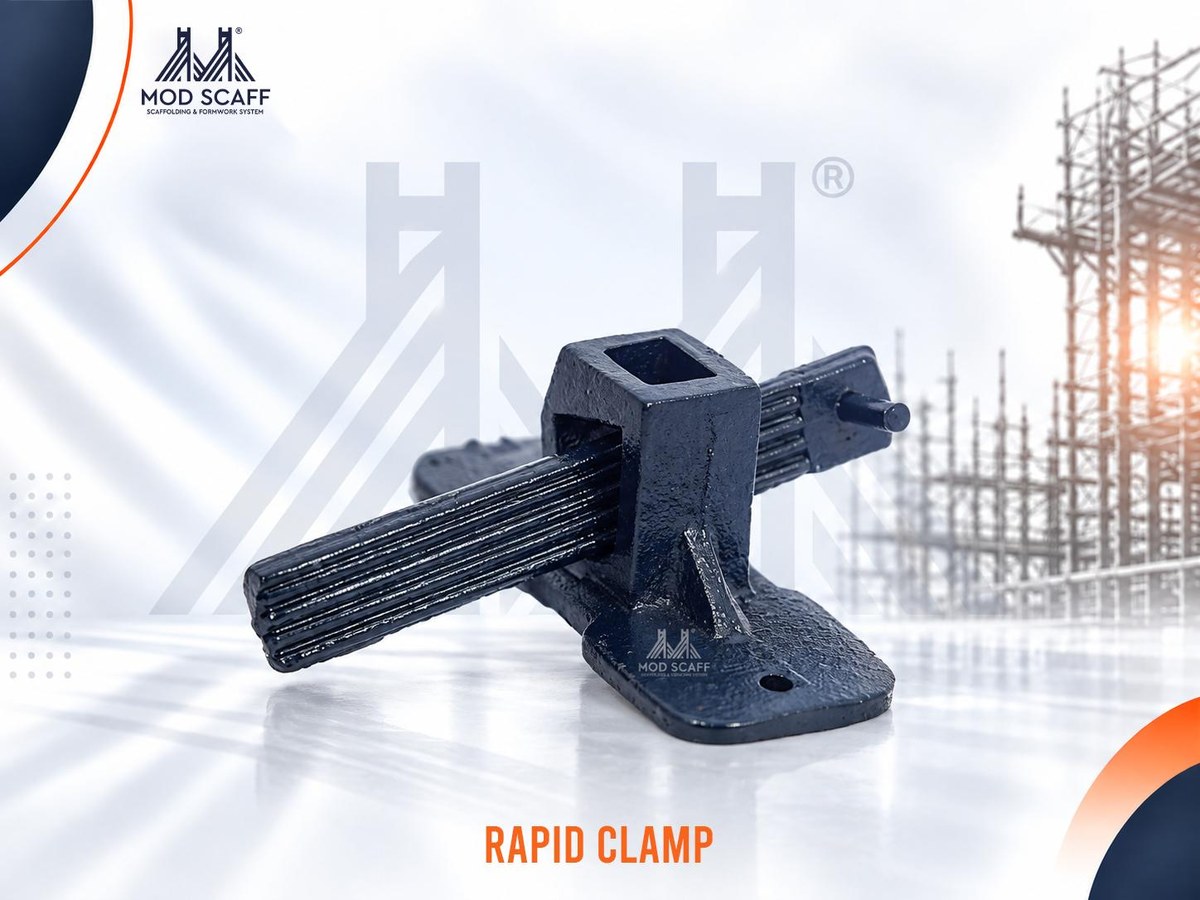
Rapid Clamp
The Rapid Clamp is a quick-release clamp for fast fastening with little effort. It gives a secure grip without heavy tightening, which is easy on the hands. Releasing it is fast, so striking and removal take less time. It holds dependably once closed, and the rust-resistant finish suits repeated reuse. This makes it a handy fitting for crews who fix and strip parts all day. Used in scaffolding, formwork and general site fabrication.
View details →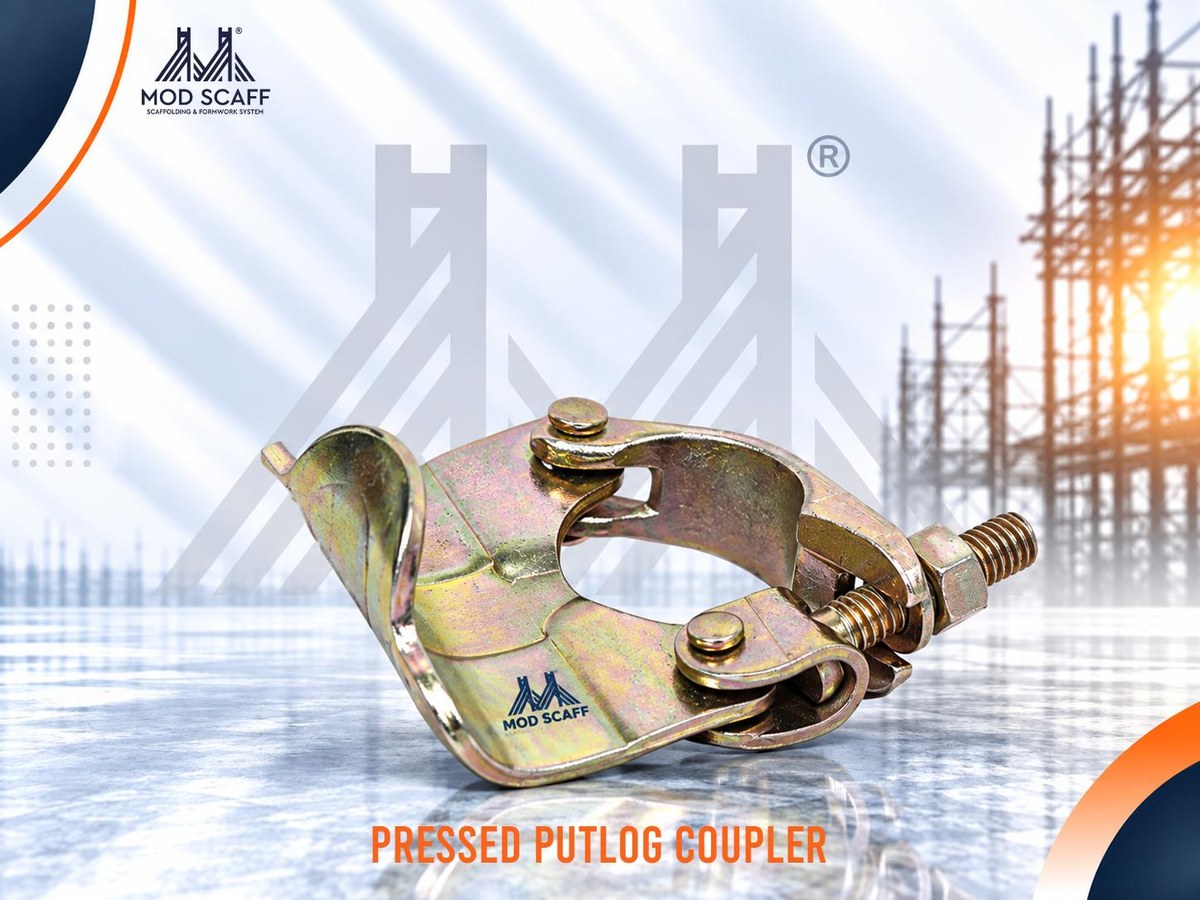
Pressed Putlog Clamp
The Pressed Putlog Clamp is a pressed-steel clamp that connects a putlog or transom to the ledger. It is a light and low-cost fixing with a neat, compact fit. It is quick to fit and remove, which speeds up platform assembly. The rust-resistant finish allows it to be reused many times. This keeps the cost of each job low for crews. Used for framing the scaffold working platform.
View details →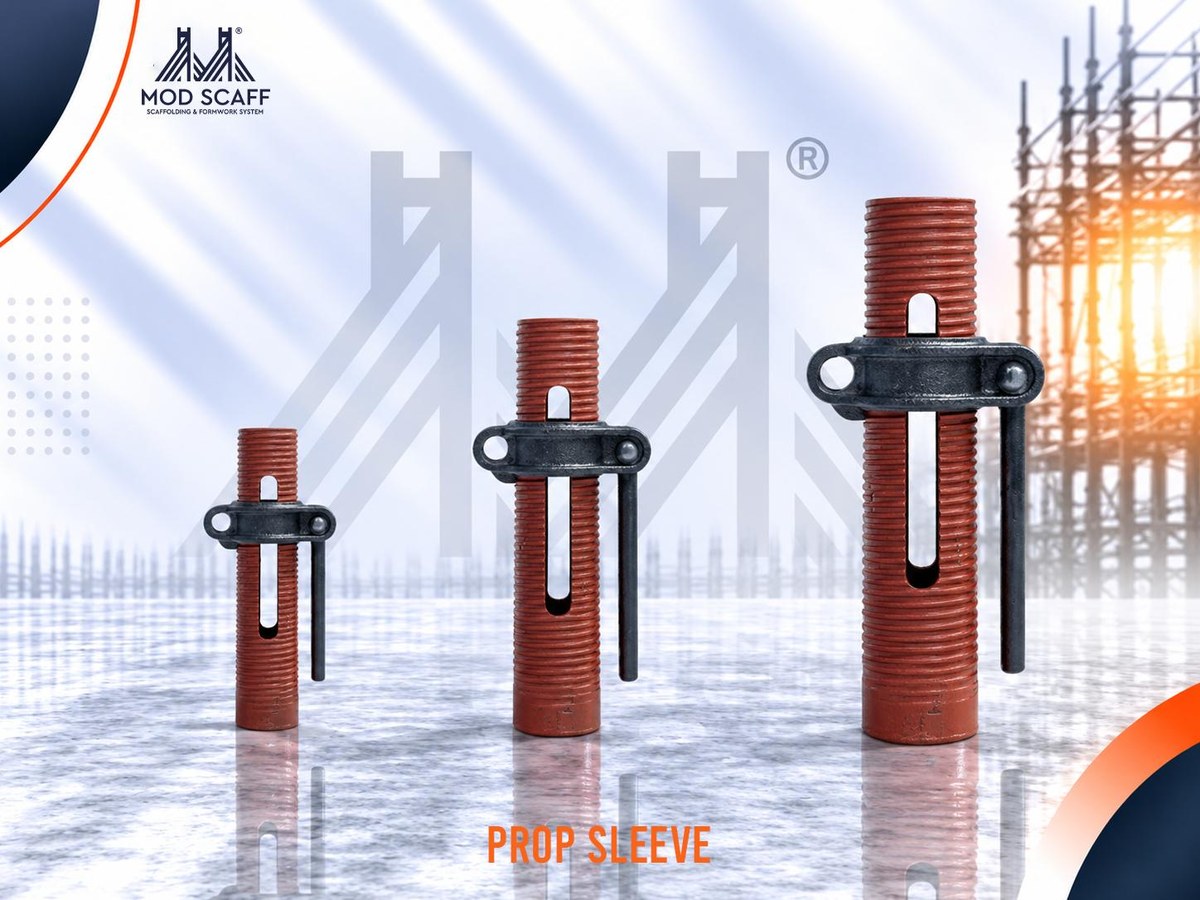
Prop Sleeve
The Prop Sleeve is a sliding sleeve fitted to adjustable props. It lets crews fine-tune the height quickly, and a locking pin holds it in place. The pin works without any extra tools. It fits common prop sizes, so one sleeve suits many props. The rust-resistant build suits rough site use, and the steel stays sound through repeated adjustment. Used for setting working height on telescopic adjustable props.
View details →


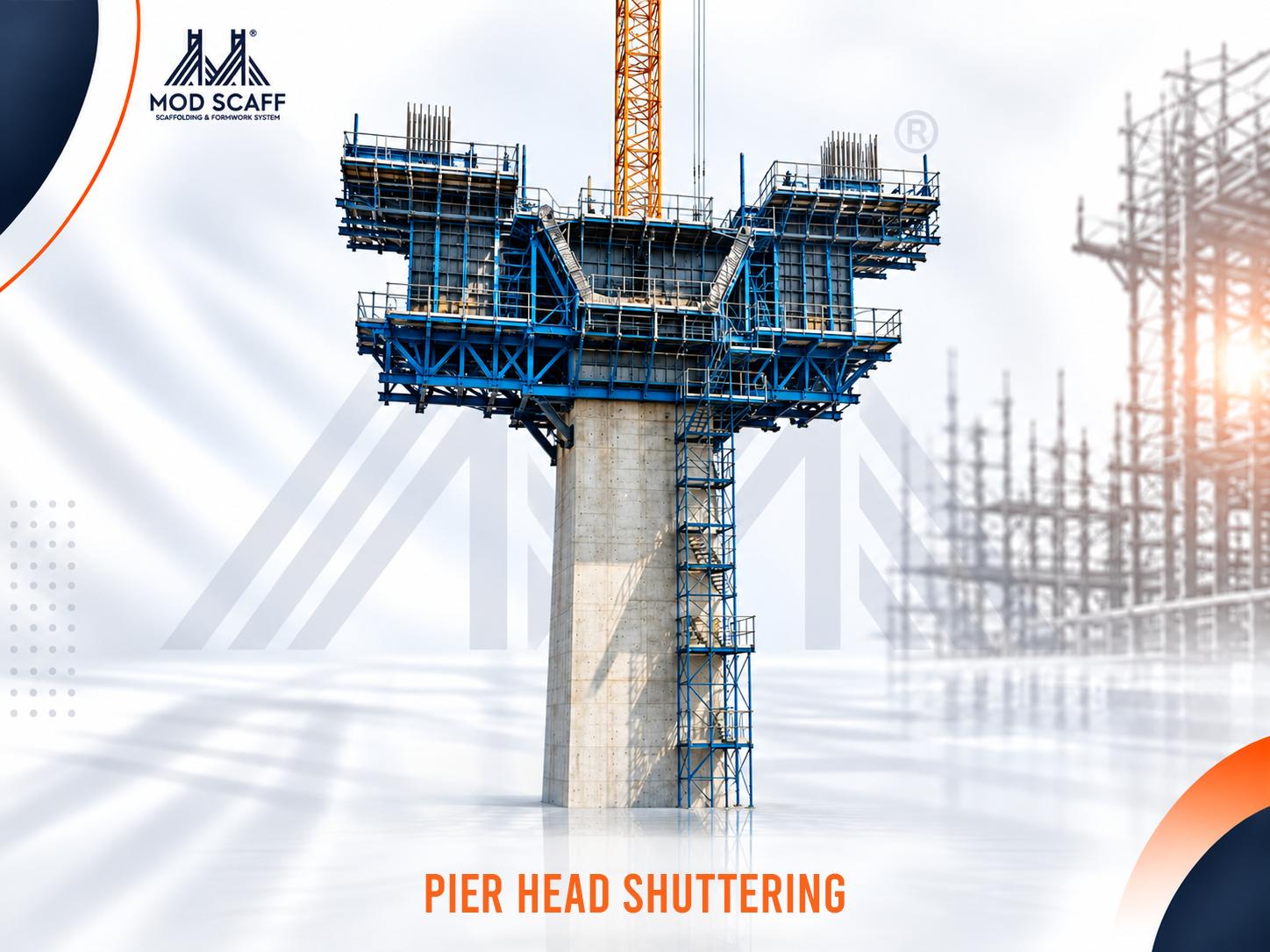
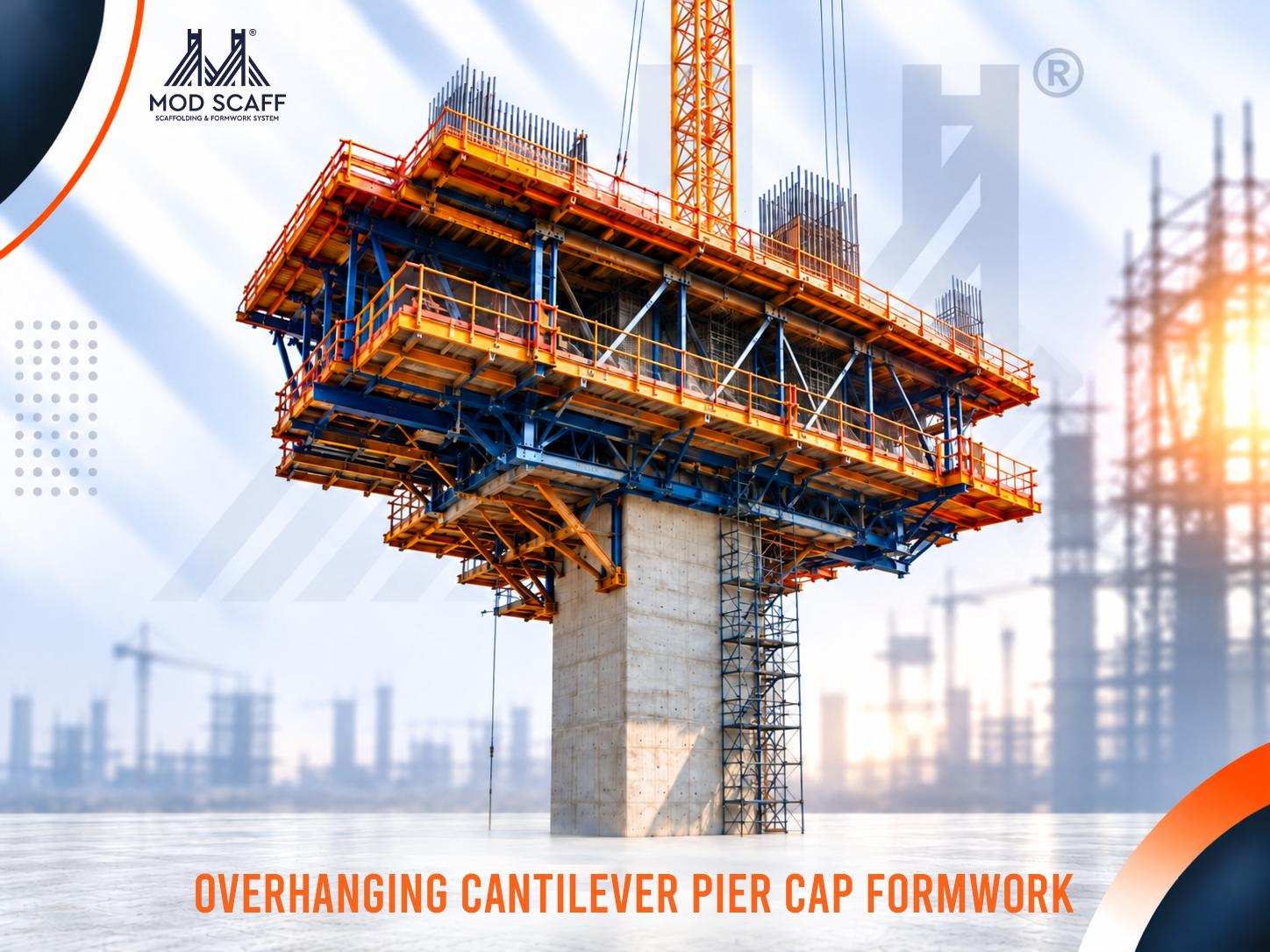

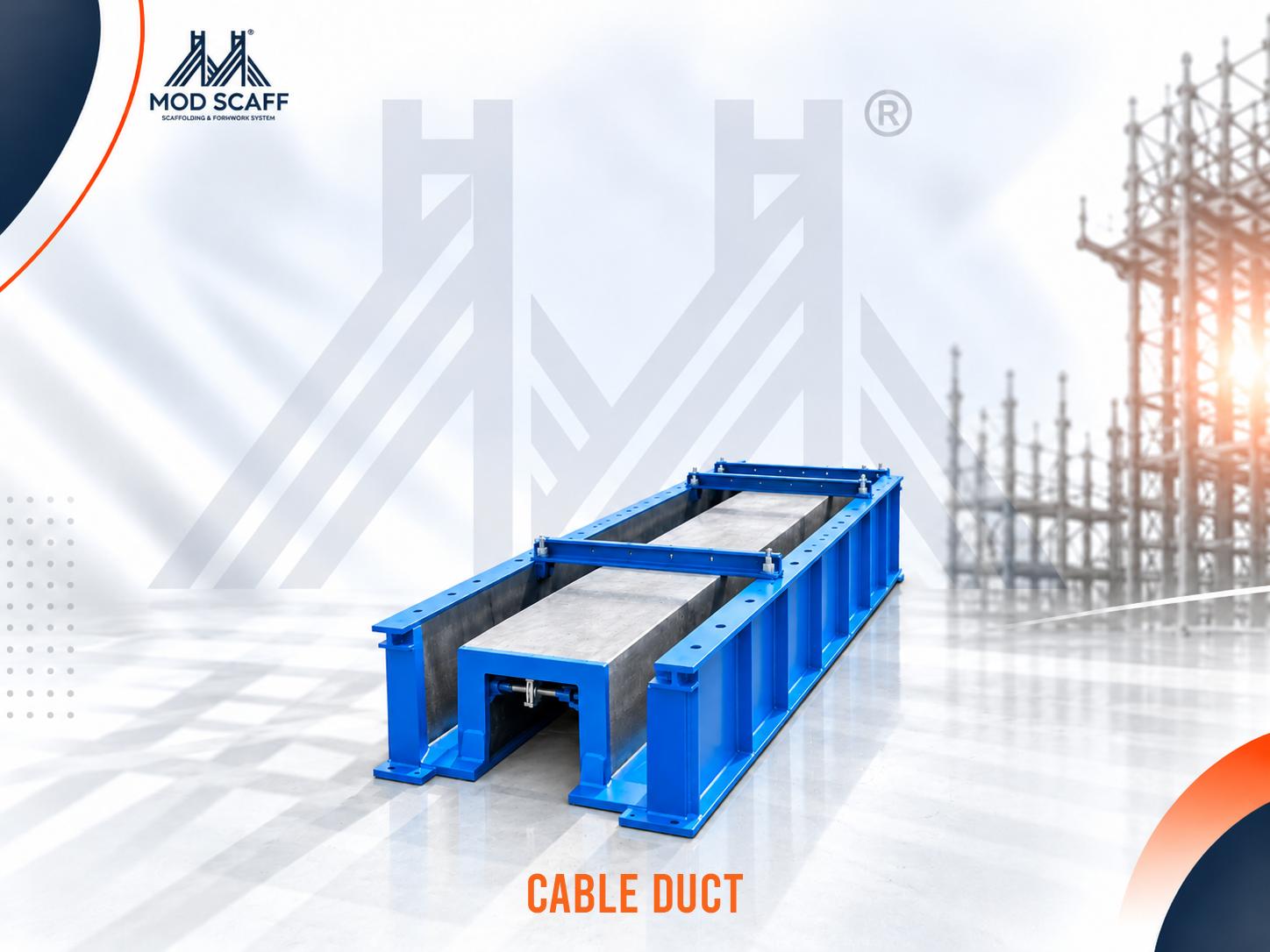
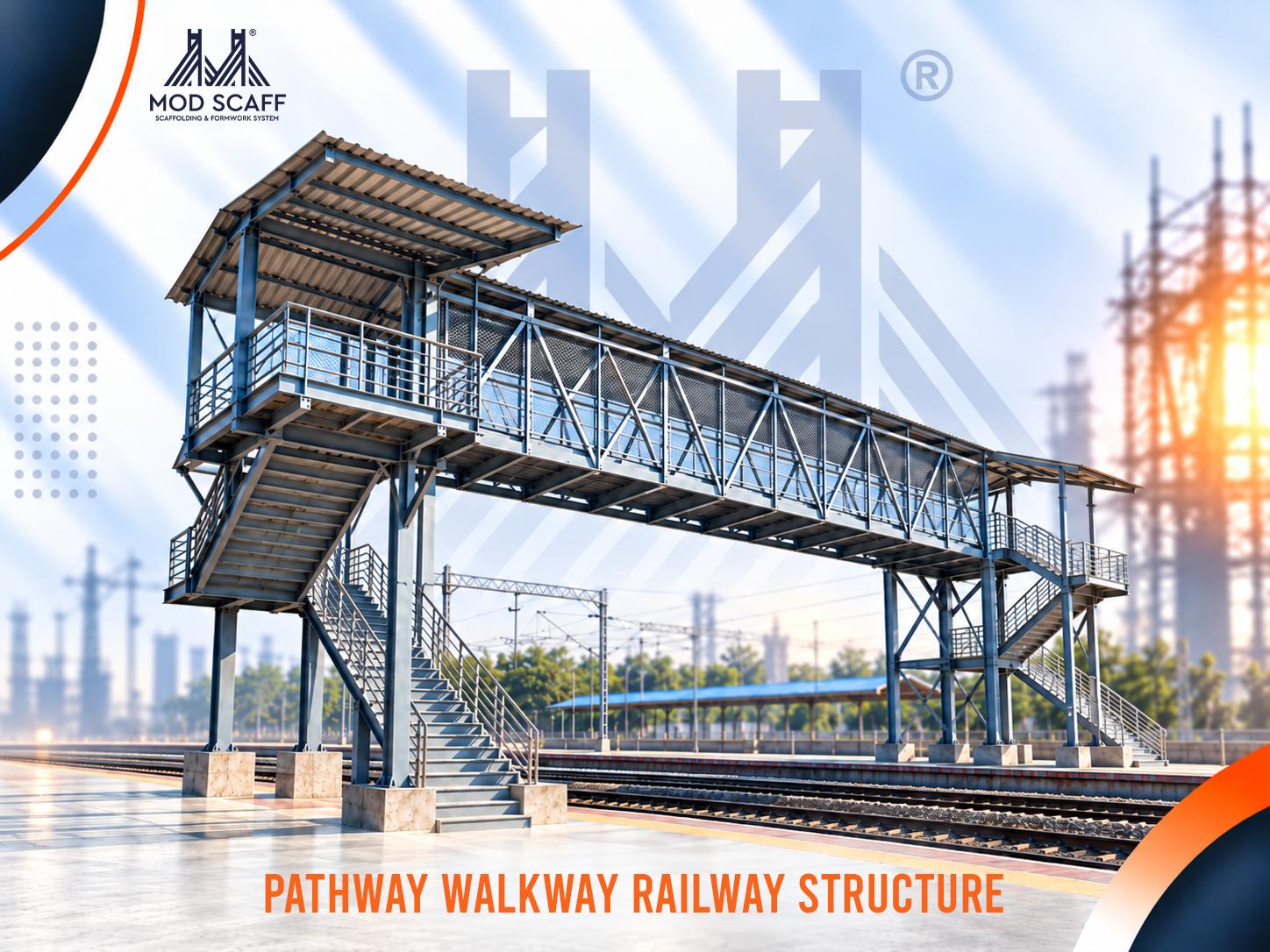
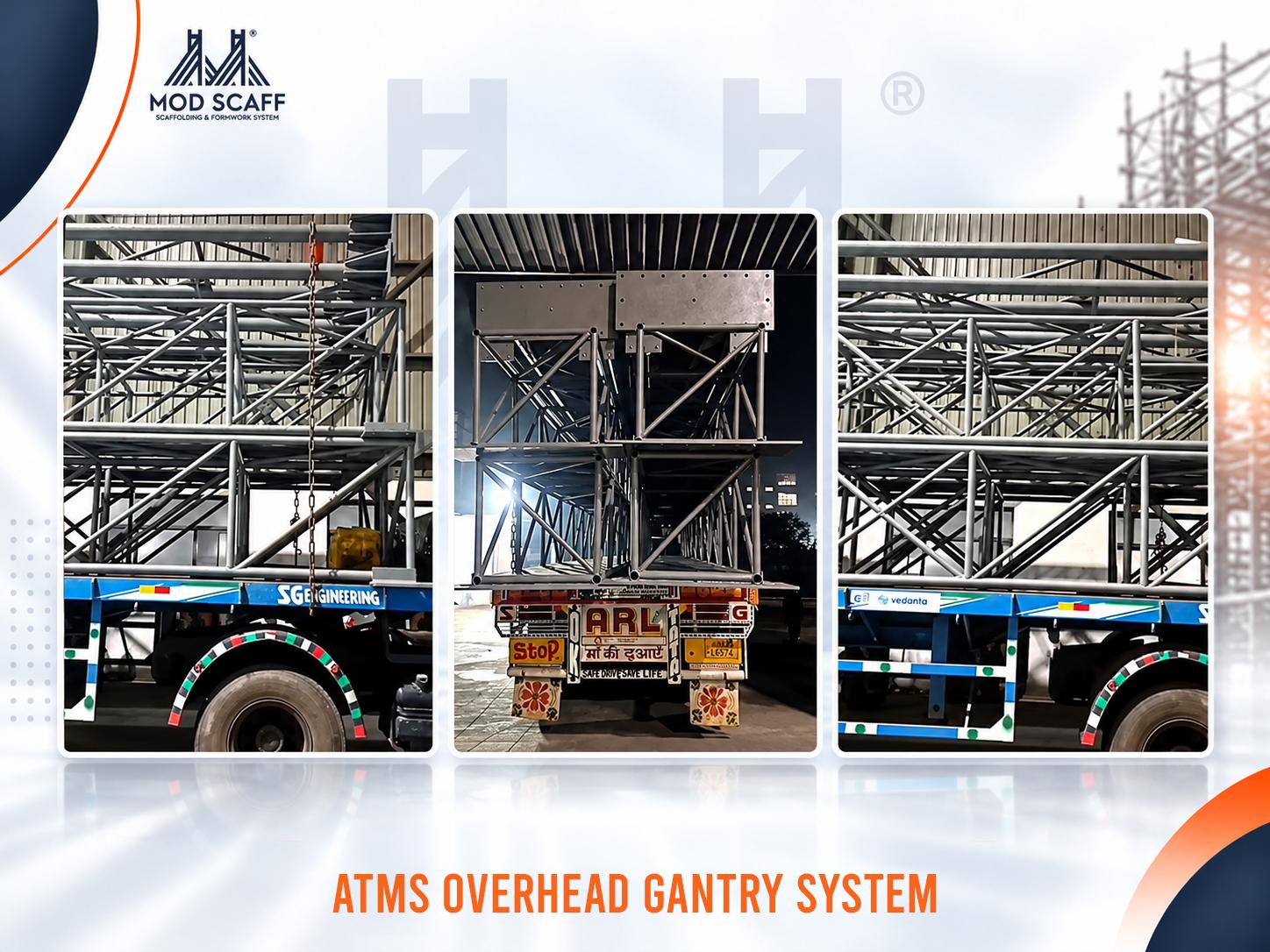
Can't find what you're looking for?
We fabricate custom formwork and scaffolding to your project drawings. Share your requirement and our team will get back with specifications and pricing.
Request custom fabrication →