Formwork & Scaffolding Products
78 engineered systems manufactured in mild steel to IS/ISO standards — built for strength, speed of erection and long service life across India's toughest infrastructure projects.
Formwork Systems
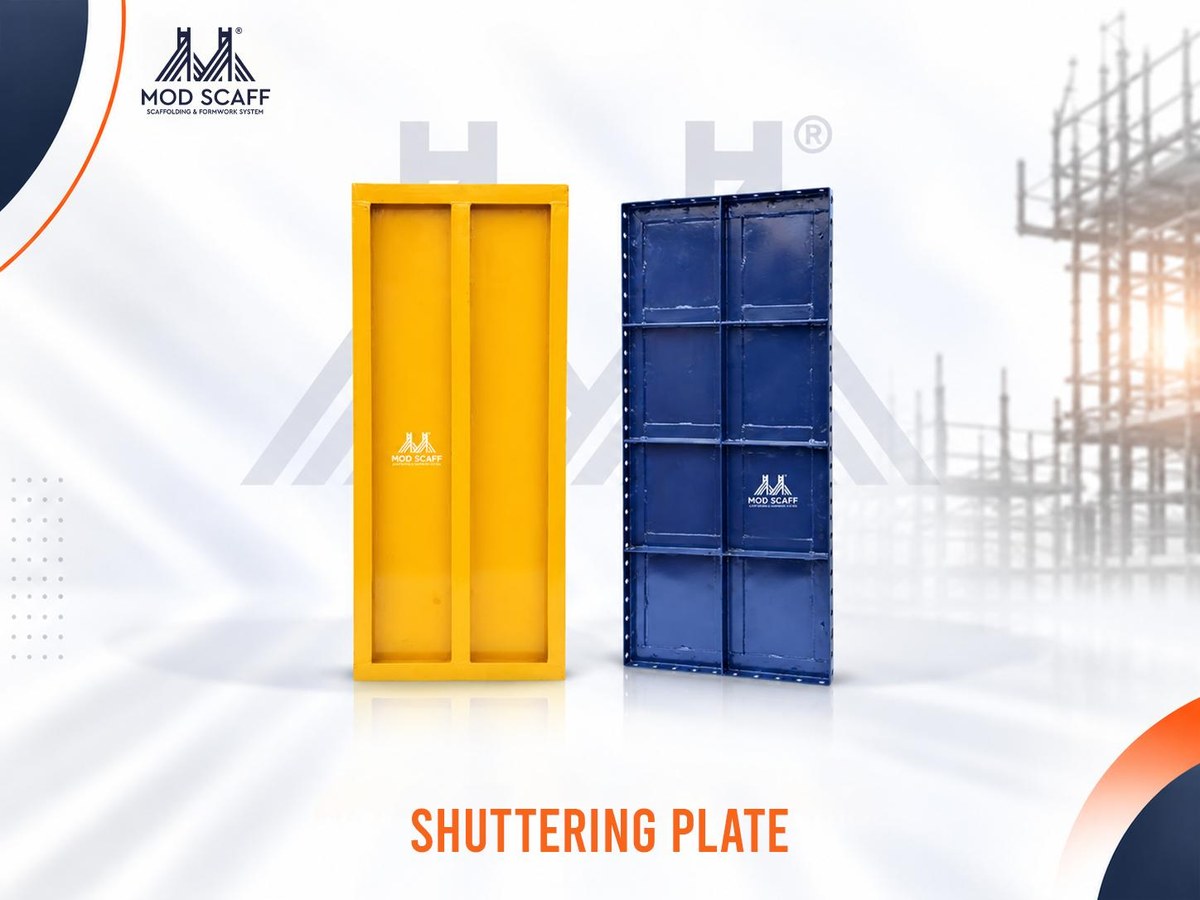
Shuttering Plate (Wall Form Panel)
A shuttering plate is a steel panel that holds wet concrete in shape while it sets. It keeps walls straight and leaves the concrete surface even. Panels fit together tightly and come apart fast, so setting up and stripping take less time. The strong steel build gives long service, and panels can be made to suit the site. Used for casting retaining walls and basements.
View details →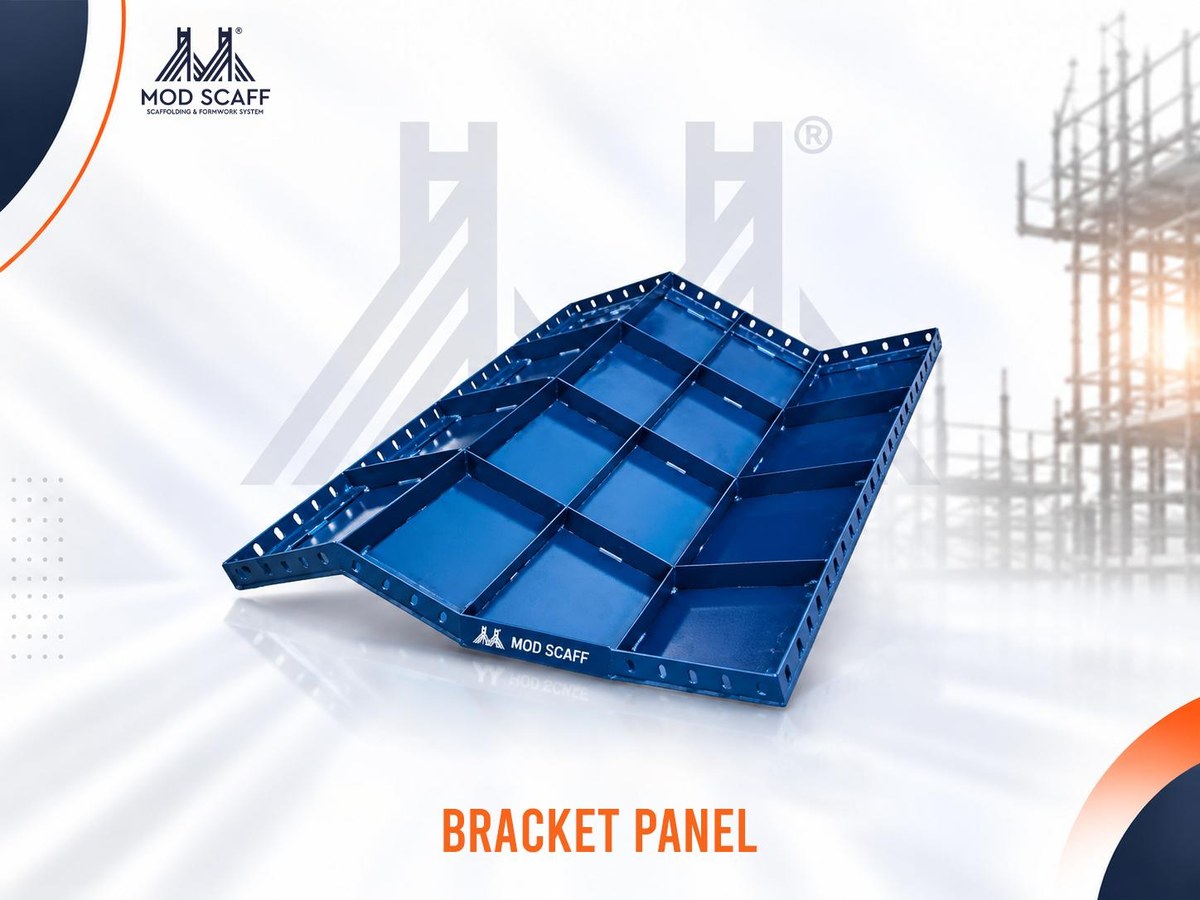
Bracket Panel
A bracket panel is a Z-shaped steel panel that forms an outside corner in one piece. Because the corner is cast as one unit, there are no extra joints to leave marks. It joins neatly to the next wall shuttering and is quick to fix and remove, so crews lose little time at the corners. The paint helps it resist rust on site. Used in culverts and underpasses.
View details →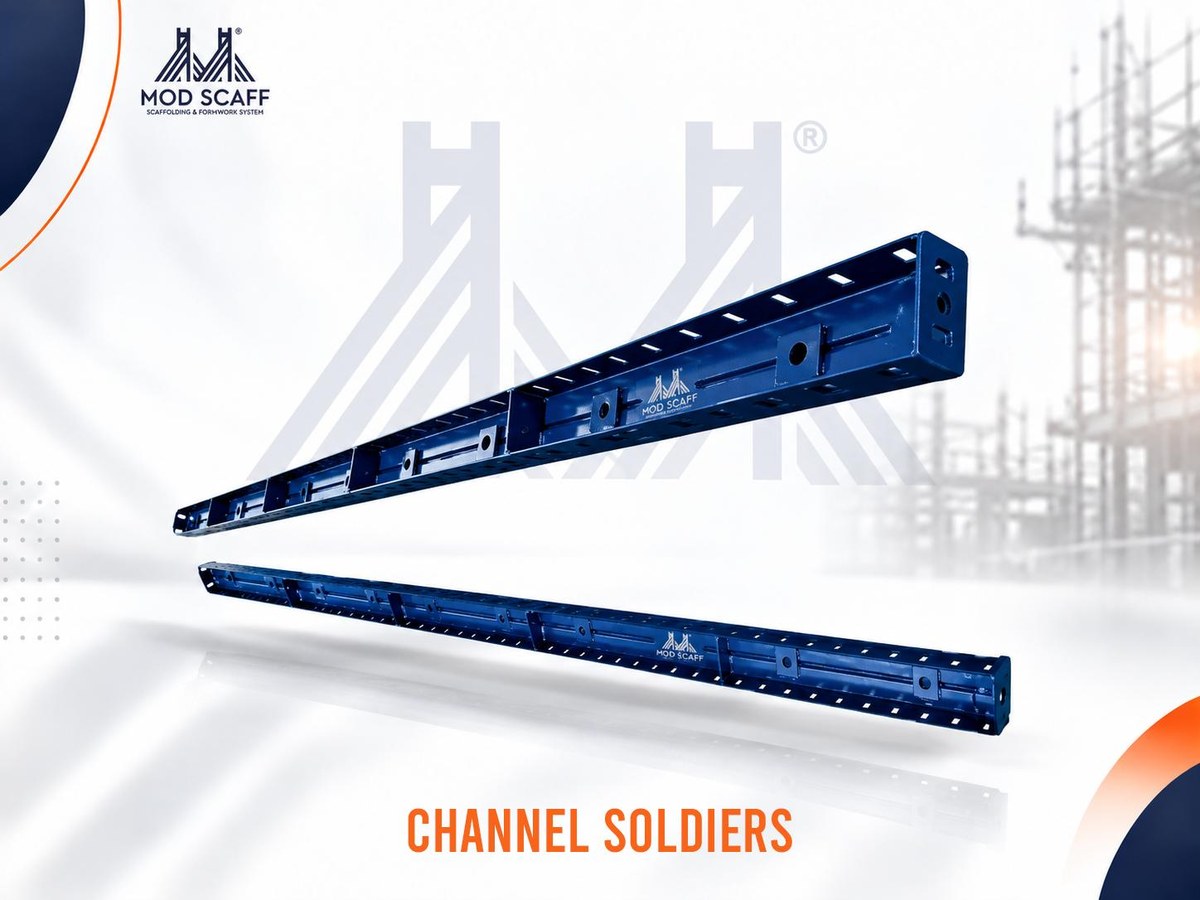
Channel Soldiers
Channel soldiers are strong steel supports that keep wall shuttering straight and steady. Wet concrete pushes sideways with great force, and these supports stop the shuttering from bending outward. Ready-made holes line up with the shuttering, so fixing is quick and the whole wall line stays tidy. The stiff angle frame stays straight even in heavy pours, and custom sizes are available. Used for retaining walls, diaphragm walls and basements.
View details →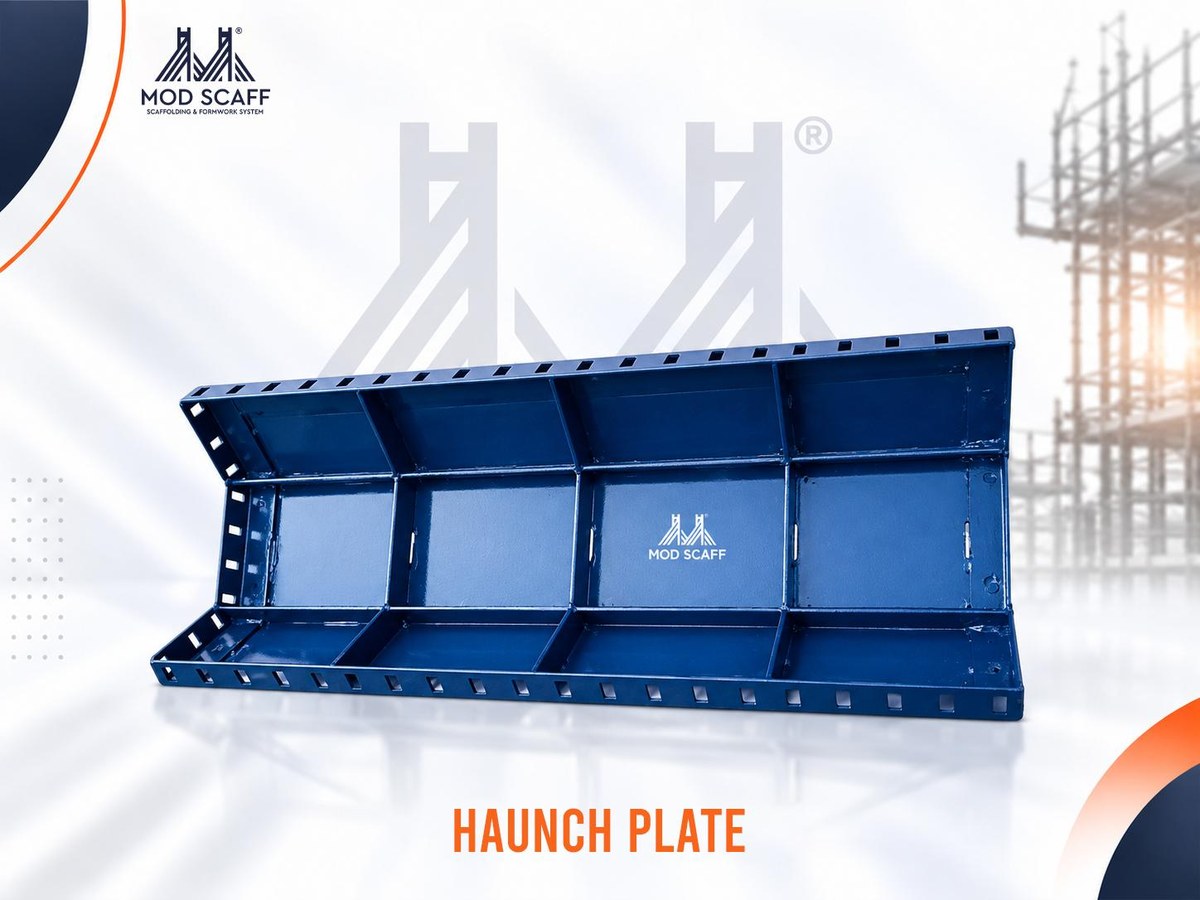
Haunch Plate
A haunch plate is a half-hexagon steel plate that forms angled corners where walls meet. It gives clean angled inside corners and fits with standard wall shuttering used on the same job. Its stiff frame holds its shape, so corners come out neat and need little rework later. The plate can be reused for many pours and made to size. Used in culverts and underpasses.
View details →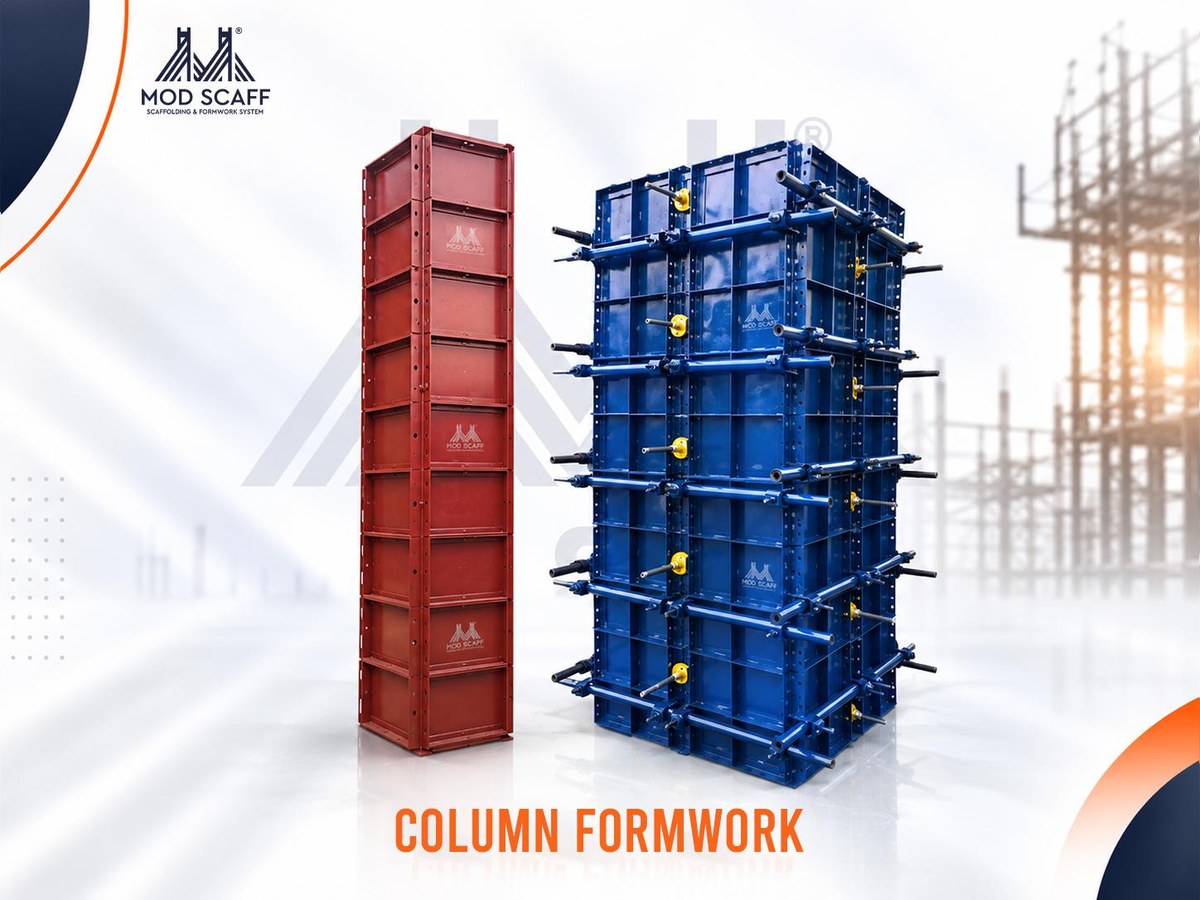
Column Formwork
Column formwork is steel shuttering that gives concrete columns their shape. It can be set up for square, rectangular or round columns. Panels lock together quickly on site, and the columns come out straight and true. The steel stands up to many reuses, so it stays useful from one job to the next, with heights made to match the drawings. Used for column construction in buildings.
View details →
Angle Brackets
Angle brackets are steel brackets that hold up slab shuttering and aluminium formwork. They carry the weight of the slab until the concrete gains strength. They give the shuttering a stable seat, so it does not shift while fresh concrete is placed above. Built for repeated use and strong enough for heavy slab loads, they can also be made to suit site needs. Used for deck slab casting.
View details →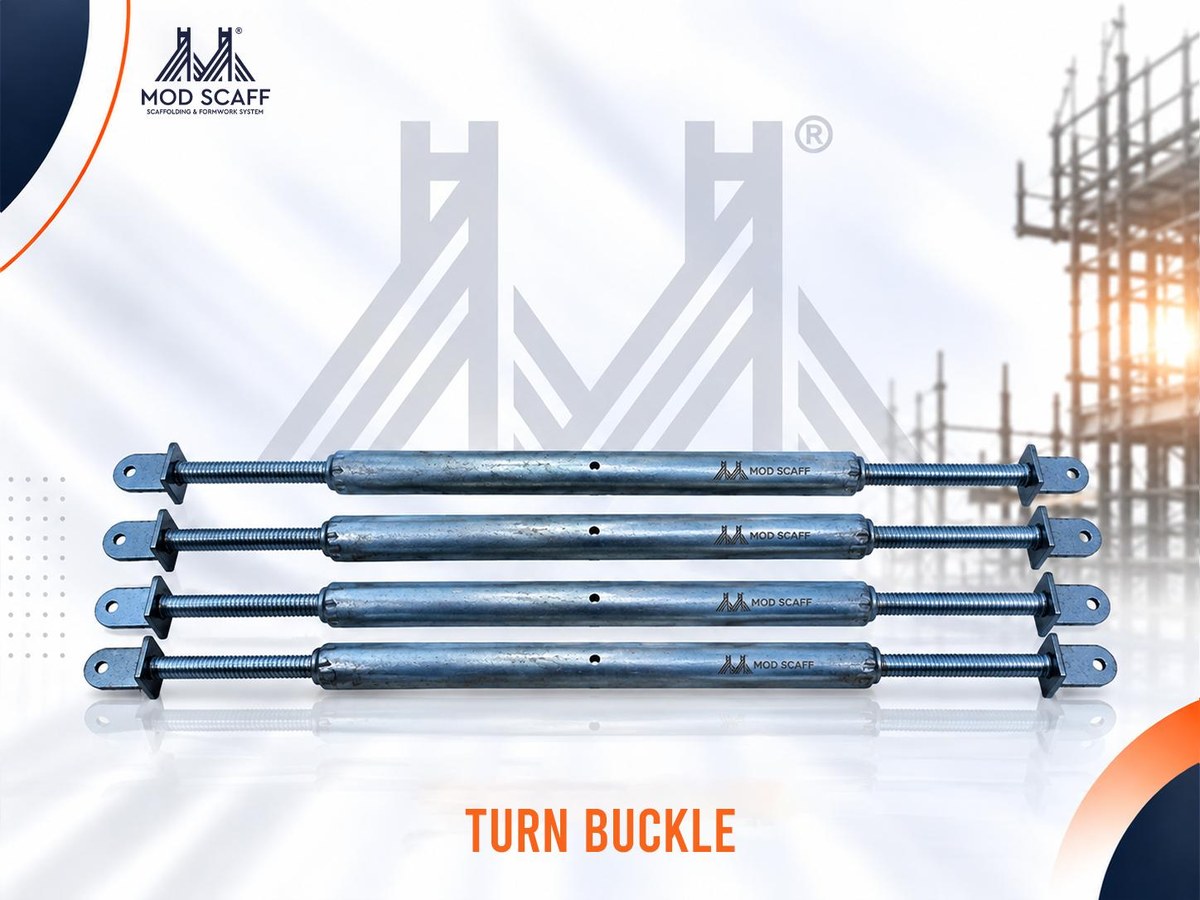
Turn Buckle
A turn buckle is a threaded steel tensioner that fine-tunes formwork position before a pour. Turning it moves the formwork a little at a time, so alignment can be set exactly. It is easy to turn and lock, and it holds steady under load. The inside is painted to resist rust, and sizes suit light and heavy loads. Used in road and bridge girder shuttering.
View details →
Girder Shuttering
Girder shuttering is a complete mild steel kit that shapes concrete girders of different heights and lengths. The panels give the exact girder shape, and strong end plates take the heavy forces of pre- stressed work. The set comes with rods and nuts, so nothing extra is needed. It is easy to move between casts, which keeps the work going from one girder to the next. Used for bridge girder casting.
View details →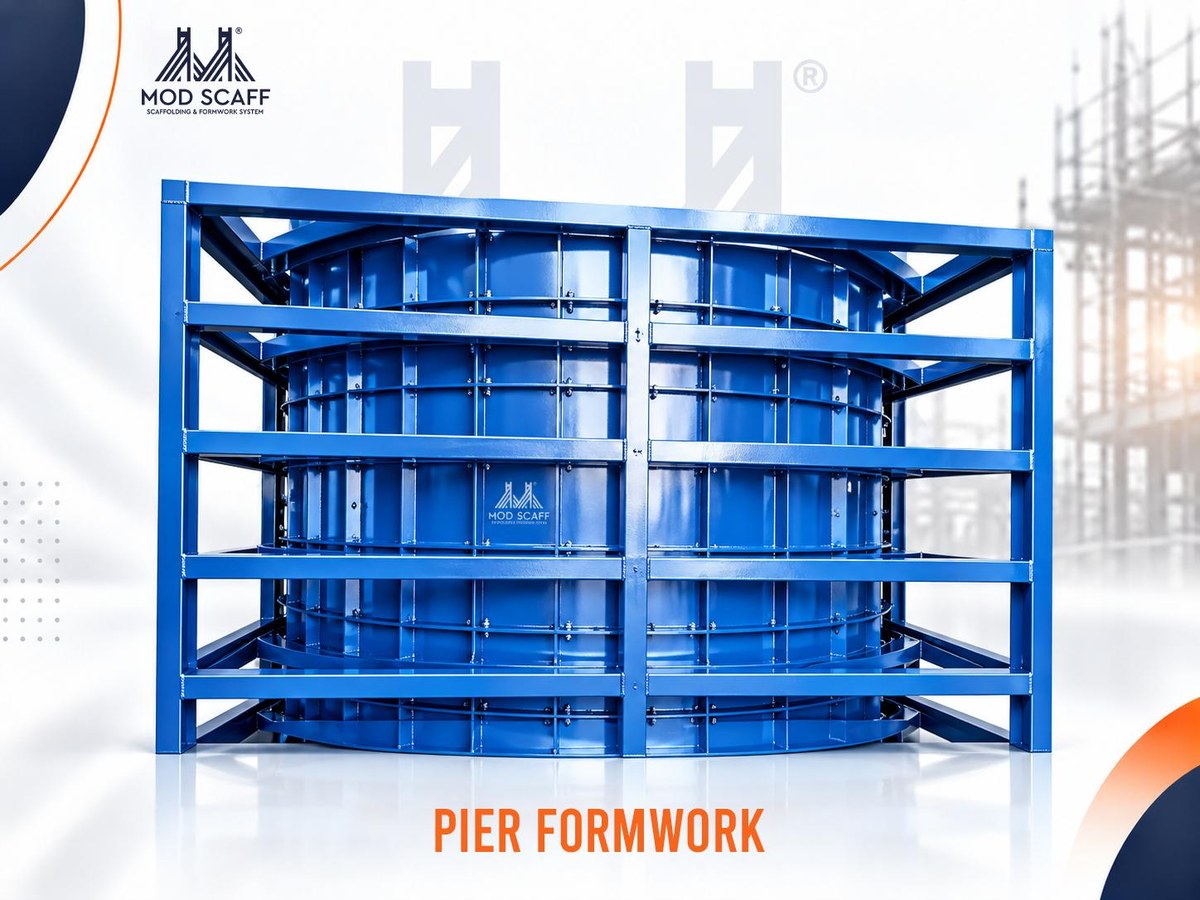
Pier Formwork
Pier formwork is modular steel formwork that shapes bridge piers. It can form round, square, rectangular or oval piers, so one system suits many bridge designs. Panels fit and strip quickly, and a back-up frame supports tall pours. A plain or grooved finish is available for the concrete surface, and the steel panels can be used again on later piers, and heights are made to match the drawings. Used for flyover and bridge piers.
View details →
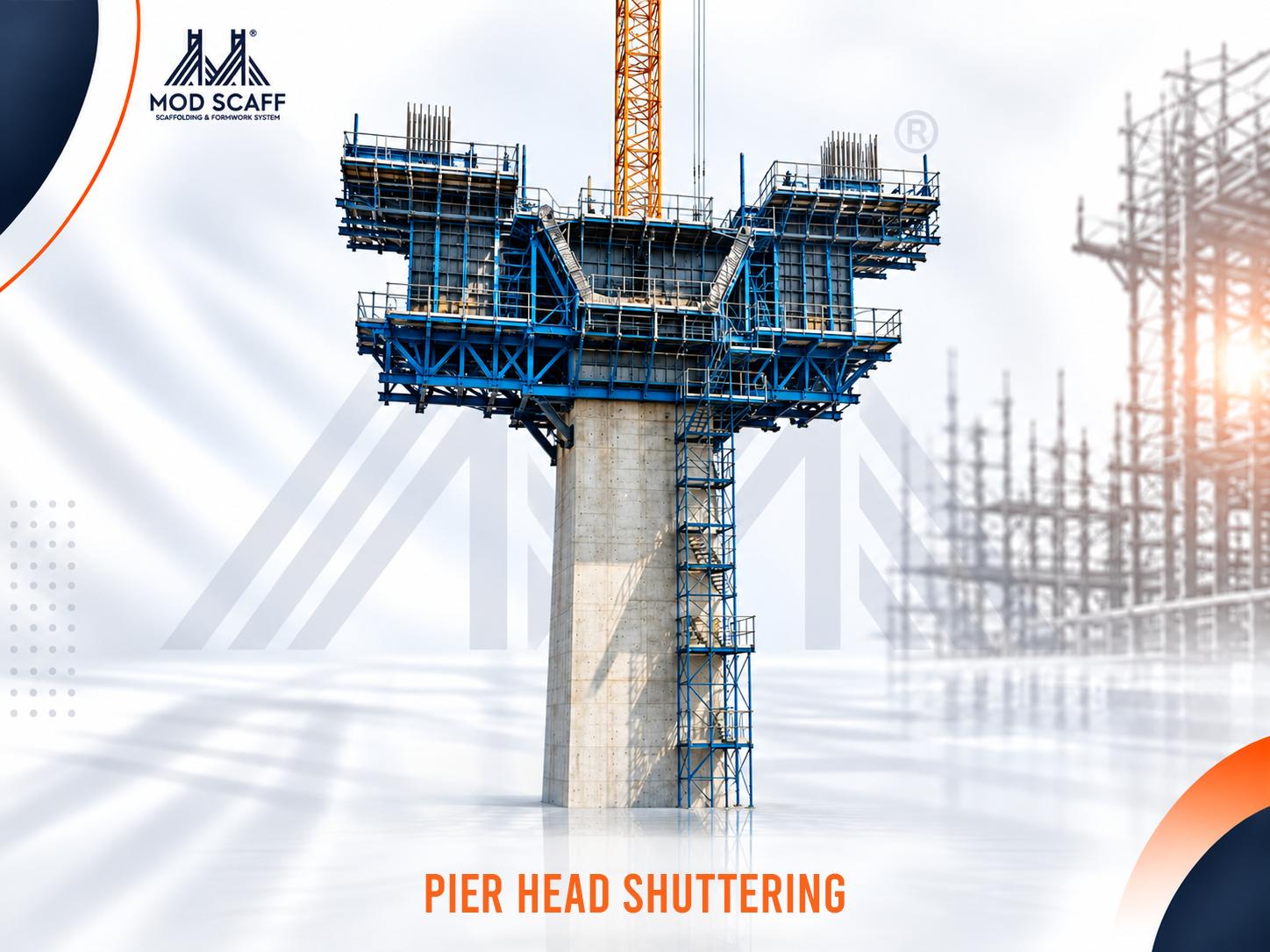
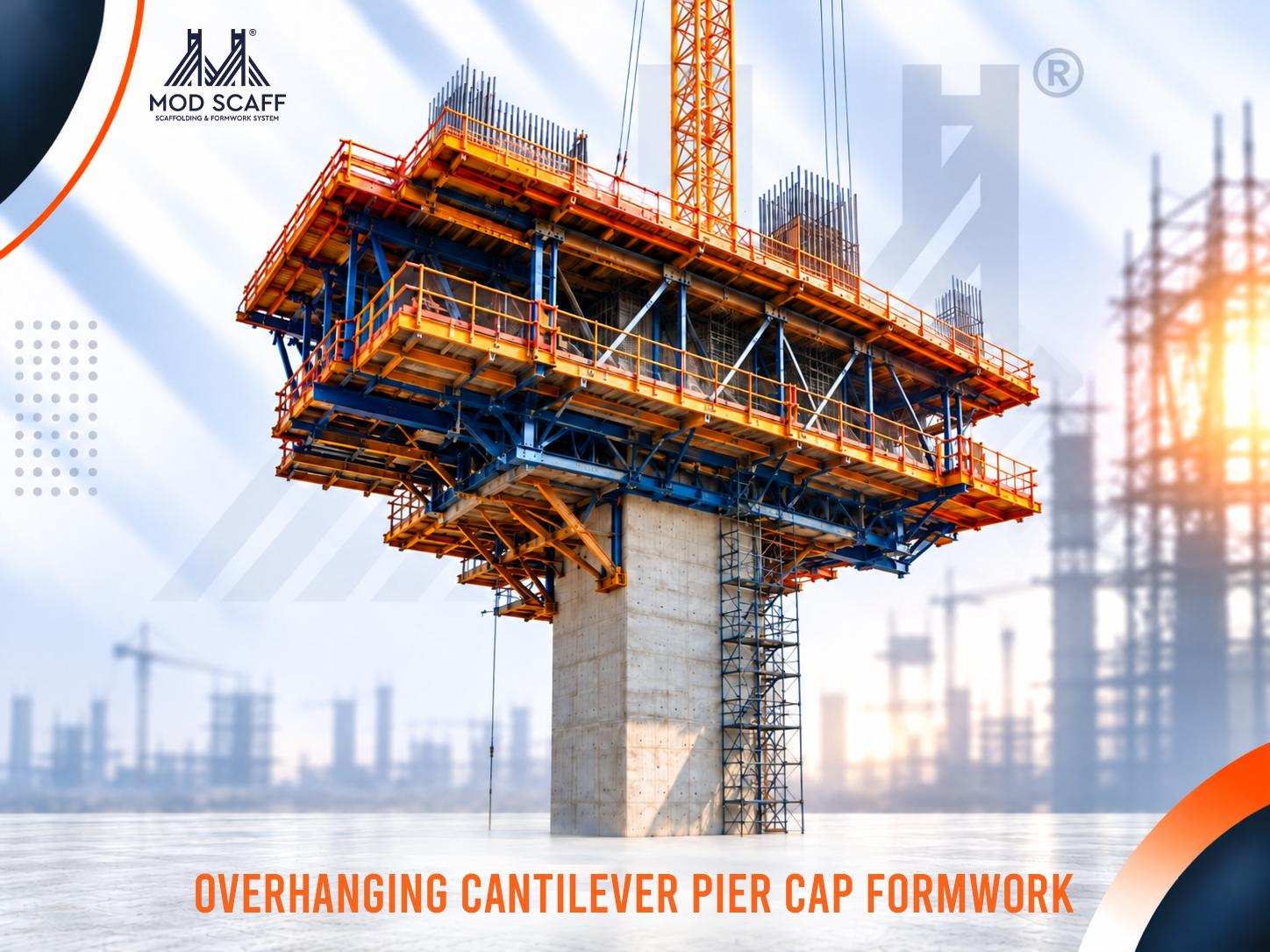
Pier Cap Shuttering
Pier cap shuttering is custom steel formwork that shapes the top block of a bridge pier. It is made to match each bridge drawing. Scaffold is built into the frame to support the overhanging parts, and a safe walkway lets workers check the work at height. The modular design fits safely and can be reused across many spans. Used for pier caps in bridge decks.
View details →
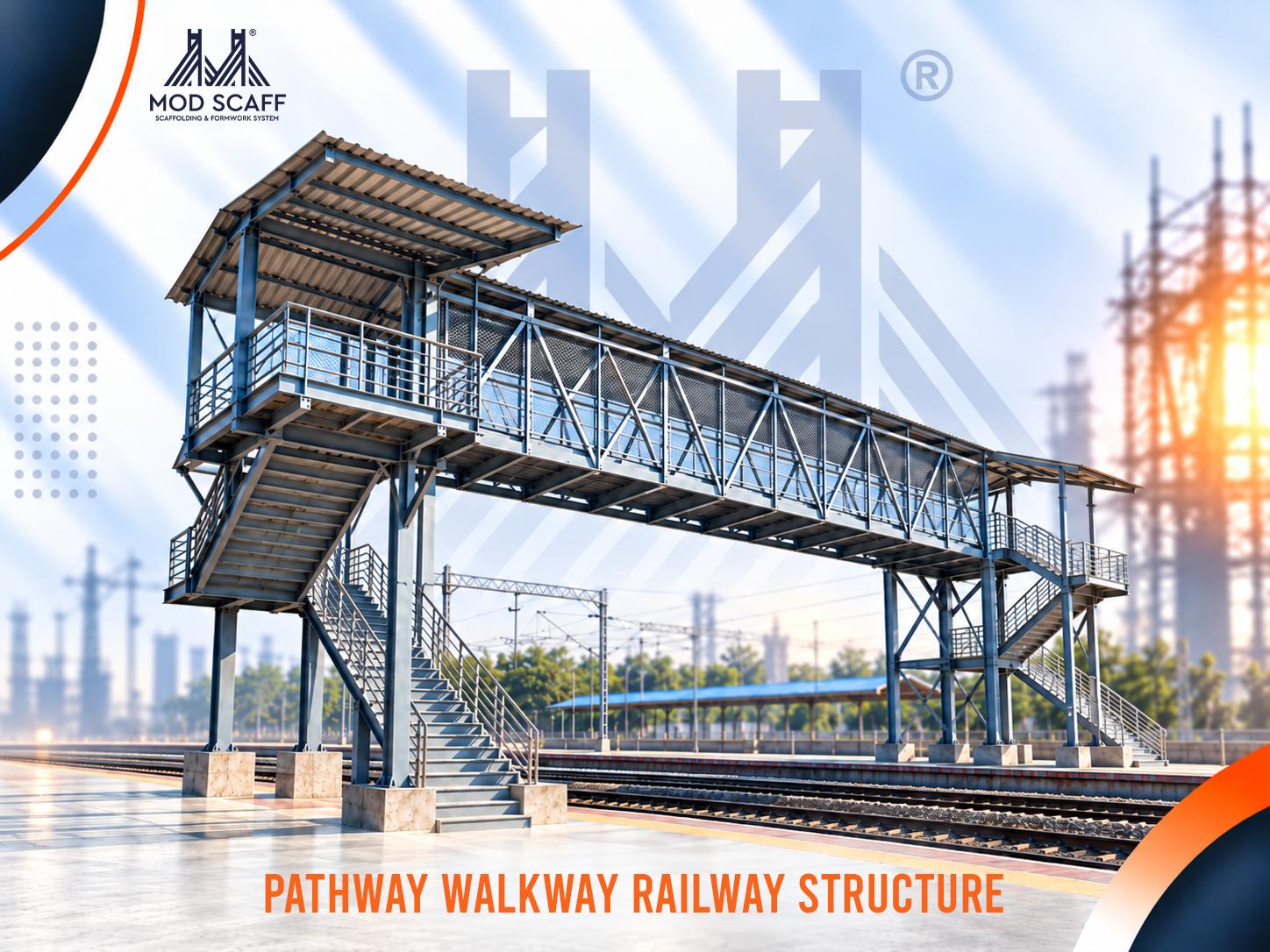
MS Grating
MS grating is an open steel grating made from strong mild steel and built to project needs. It gives a firm footing for work at height and carries heavy loads. It is quick to fit and easy to move, which suits work areas that change as the job moves ahead. The galvanised finish helps it hold up well on site. Used for walkways, platforms and access decks at height.
View details →
Box Culvert Formwork
Box culvert formwork is modular steel shuttering that shapes the rectangular sections of box culverts. It is built to each project drawing, so the fit is accurate. The panels are stiff and keep the box shape during the pour, and they are quick to put up and take down. The steel stands up to harsh conditions, so it keeps working well in rough weather and tough sites. Used for highway, railway and irrigation box culverts.
View details →
VUP, LVUP & PUP Shuttering
This is mild steel formwork made for vehicle, light vehicle and pedestrian underpasses. It is built to suit the box shapes of underpasses and goes up and comes down quickly on site. It works with haunch plates at the corners, which give neat angled edges inside the underpass. The steel resists rust outdoors, and sizes are made to project needs. Used for highway underpass construction.
View details →
Anti Crash Barrier Formwork
Anti crash barrier formwork is a steel mould system that casts highway crash barriers. It gives the same accurate barrier shape pour after pour, which keeps the finished road edge neat and even. Its parts fit and strip quickly, and the tough build gives long service. It also works with friction slab moulds, so the two can be used together on the same stretch of road. Used for highway medians and shoulders.
View details →
Friction Slab Formwork
Friction slab formwork is a light steel system that grips slab edges while concrete is poured and cures. It holds by friction alone, so no extra bracing hardware is needed. It adjusts to different slab sizes and is easy to carry and assemble. This saves time and labour when slabs are cast again and again along a long stretch of work. Used for slabs on highways, bridges and metro corridors.
View details →
Floating Beam
A floating beam is a heavy-duty steel beam that holds girder segments in line while joints are cast. It keeps drop-in segments steady, and its accurate fit keeps them aligned. Built tough, it carries large loads at the joint, so the finished girder runs true. It can be reused from job to job, which helps keep costs down on repeat work. Used in bridge girder joint pours.
View details →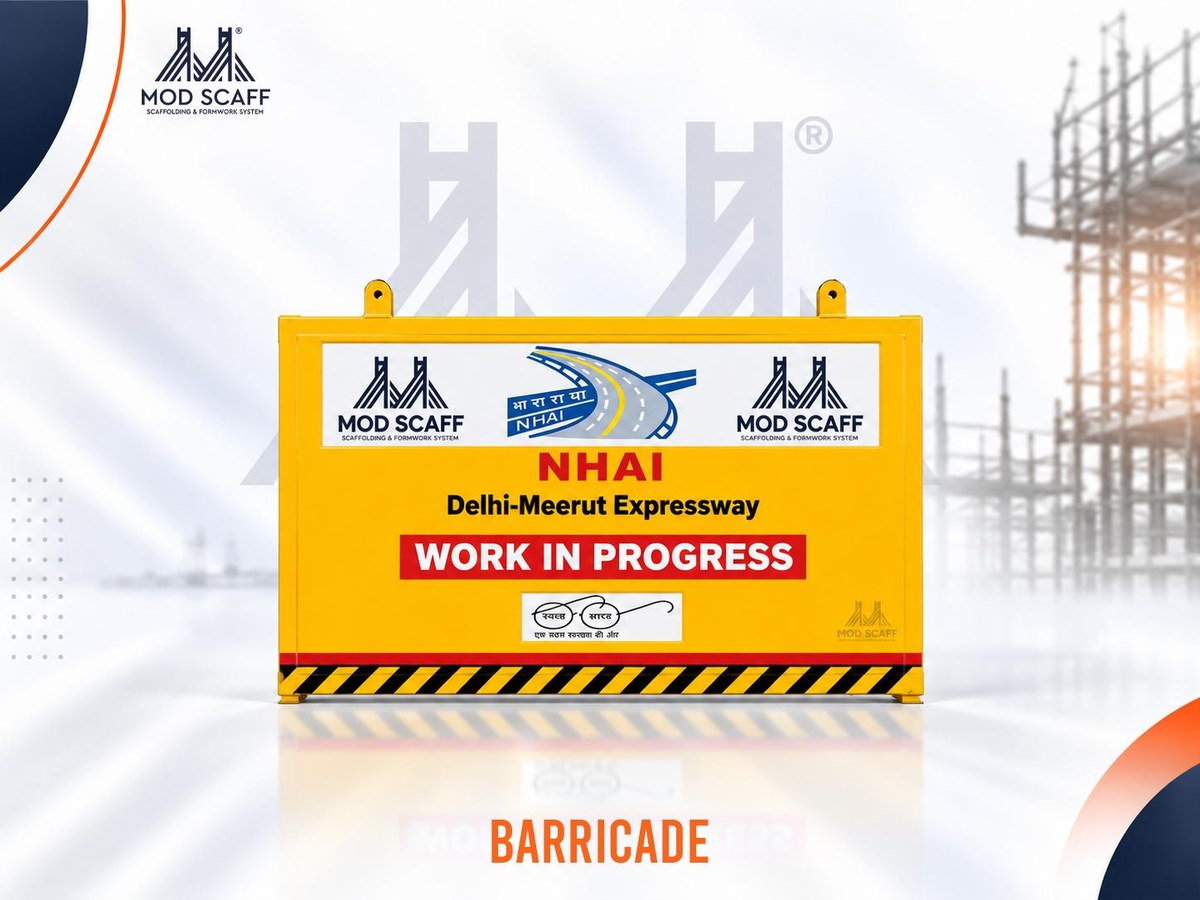
Barricade
Barricade formwork is a rust-resistant steel mould for casting free-standing concrete barricades. It turns out matching units that stand firm, thanks to a heavy base. Barricades can take reflective sheeting, which makes them easy for drivers to see at night. The mould is quick to assemble and take apart, and tough enough for repeated pours. Used for road safety and traffic control on highways and at public events.
View details →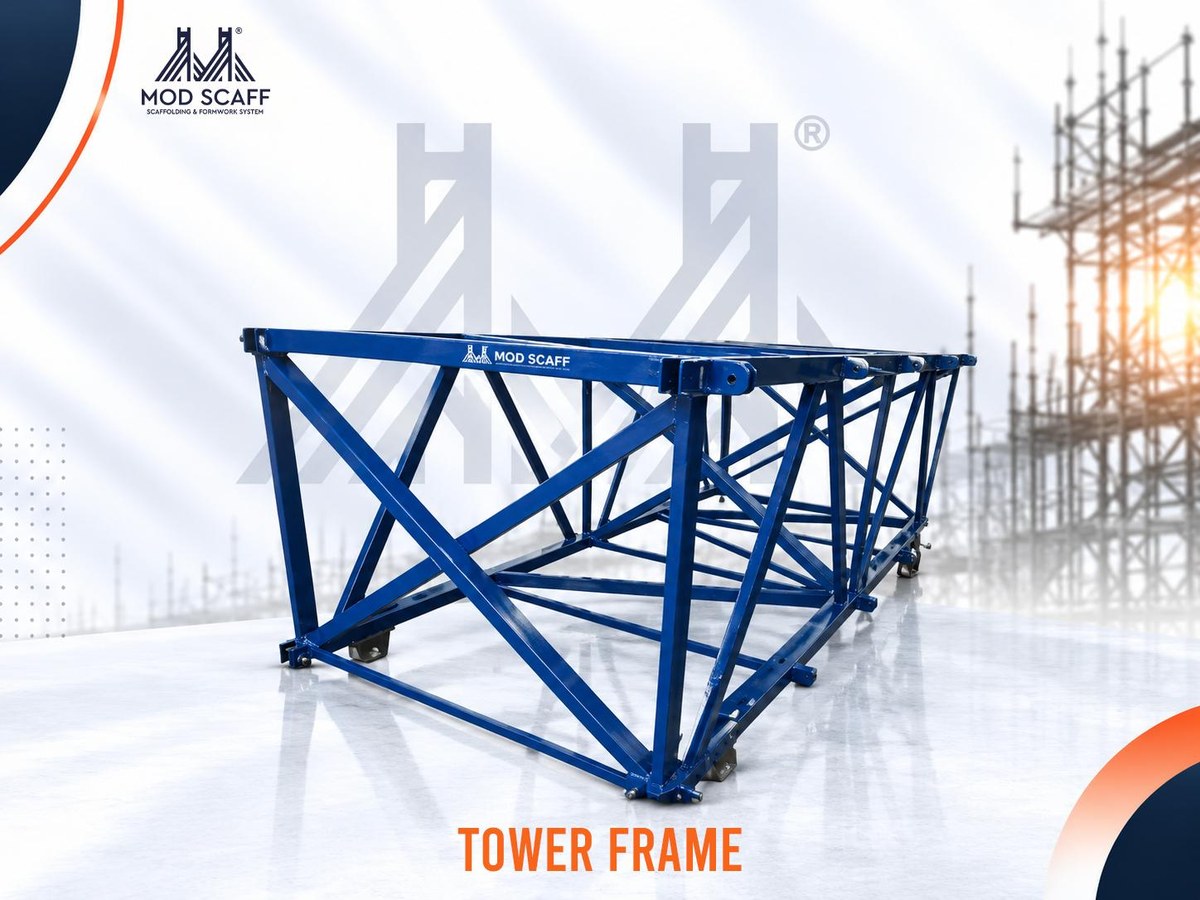
Tower Frame
A tower frame is a modular steel support system that holds up formwork while concrete cures. The frames interlock to build strong towers, and the height is quick to adjust to suit each floor. The tower spreads the weight of the pour evenly across it. Rust-resistant steel allows repeated use, so the same frames can serve many pours on different jobs. Used for slab, beam and deck support in construction.
View details →
Tunnel Formwork (Travel Gantry)
Tunnel formwork is a mobile steel shuttering system that moves on rails to cast long sections. It needs no full dismantling between pours, so each cycle goes faster. A gentle release when the shuttering is moved away protects the fresh concrete from damage. Shapes can be rectangular or curved, and the sturdy frame handles repeated moves. Used for tunnels, storm water drains and box culverts.
View details →
Floor Form Panel
A floor form panel is a steel panel for casting strong, level concrete floor slabs. It is lighter and easier to handle at height than plywood, so workers tire less and move faster. An extra stiffener adds rigidity, and the steel resists rust and corrosion. It is easy to lift and place, and it can be reused for many slabs, which keeps site work simple. Used for concrete floor slab casting.
View details →
Bull Nose
A bull nose is a steel mould that casts smooth, rounded concrete edges. It gives a steady, crisp curve and finished corners with a neat look. Rounded edges are less likely to chip than sharp corners, so they last better in daily use. The mould is weather resistant, so it gives the same result every pour. Used for toll plaza entrances and decorative concrete edges.
View details →
Fascia Wall Panel
A fascia wall panel is a durable steel formwork system that casts the vertical band along a roof edge. It forms grooves and shaped edges, and it leaves sharp, clean lines. Little touch-up is needed after removing the formwork, which saves finishing time. The weather-resistant steel lasts long and can be made to suit the facade designs of different buildings. Used for house and commercial facade work.
View details →
RE Panel
An RE panel is precision steel formwork that casts interlocking precast retaining wall panels. Male and female joints lock the panels together neatly on site. The slim, sturdy build stays accurate, and the tight fit keeps the panels aligned, and the rust-resistant steel gives the panels a long working life. This gives a firm wall that holds the slope in place along the road. Used for highway slope support.
View details →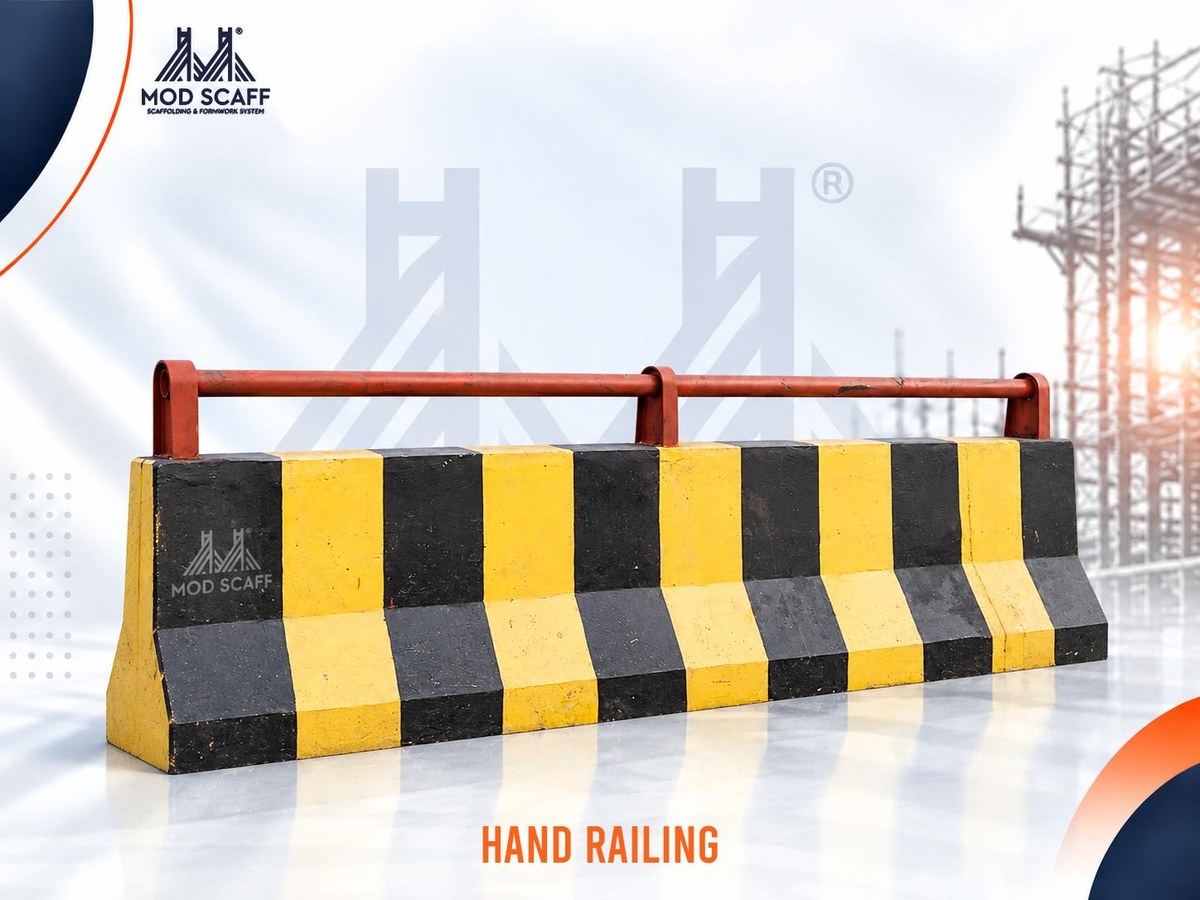
Hand Railing
A hand railing is a corrosion-resistant steel railing that prevents falls on building and infrastructure sites. It gives firm, secure edge protection and is easy to install on site. It resists corrosion outdoors, so it stays sound for a long time even in rain and sun. Several design options are available, and it suits homes and commercial sites. Used for stairways, balconies and raised platforms.
View details →
Caisson Shuttering
Caisson shuttering is heavy-duty steel formwork that casts caissons, which are large hollow boxes sunk into the ground or water. It withstands strong water and soil push at depth. Its rigid build forms a shell that resists leaks. It is reusable for many castings and resists corrosion in sea conditions, so it suits long and hard marine jobs. Used for deep foundations behind bridge piers and in marine works.
View details →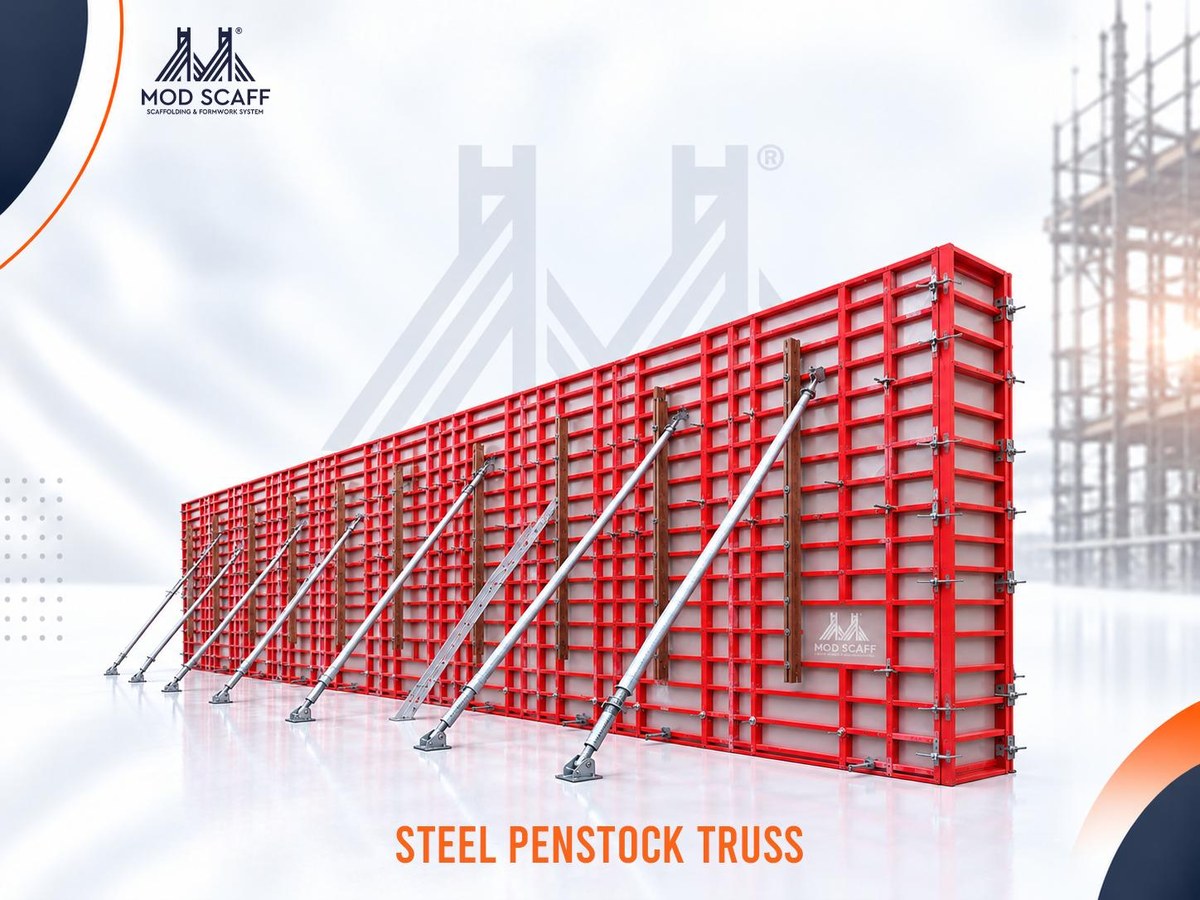
Steel Penstock Truss
A steel penstock truss is a rigid steel trestle frame that holds above-ground penstock pipes in line. A penstock is a large pipe that carries water to turbines. The frame takes heavy loads, and the pipe rests on concrete or steel supports. It is made to match the pipe size, span and slope of each job, and its coating resists weather outdoors. Used in hydroelectric plants.
View details →
Steel Liner Below Breast Wall
This is a mild steel plate lining fitted inside dams and other water structures. It keeps the steel liners lined up neatly so they sit true. The plate stays accurate once fitted and holds up under heavy loads. Its smooth surface lasts a long time and resists rust in wet conditions. Plates can be cut to the size you need. Used in dams beneath breast walls.
View details →
Steel Liner for Surge Shaft
This is a mild steel plate lining that protects a surge shaft, a tall water chamber that takes sudden pressure changes. It copes with surges of water without giving way. J-shaped rods are fixed into the concrete, so the liner locks firmly in place. The steel resists rust and wear, even deep underground where conditions are harsh. Used for surge shaft lining in power plants.
View details →
Deck Slab Formwork
This is a light but sturdy shuttering system made of cold-rolled steel. It holds wet concrete in shape while a bridge deck slab is cast. Panels are matched to each profile, and they go up and come off quickly. Only a small crane is needed to handle them. It can serve as temporary cantilever formwork or stay as permanent formwork. Used for casting bridge deck slabs.
View details →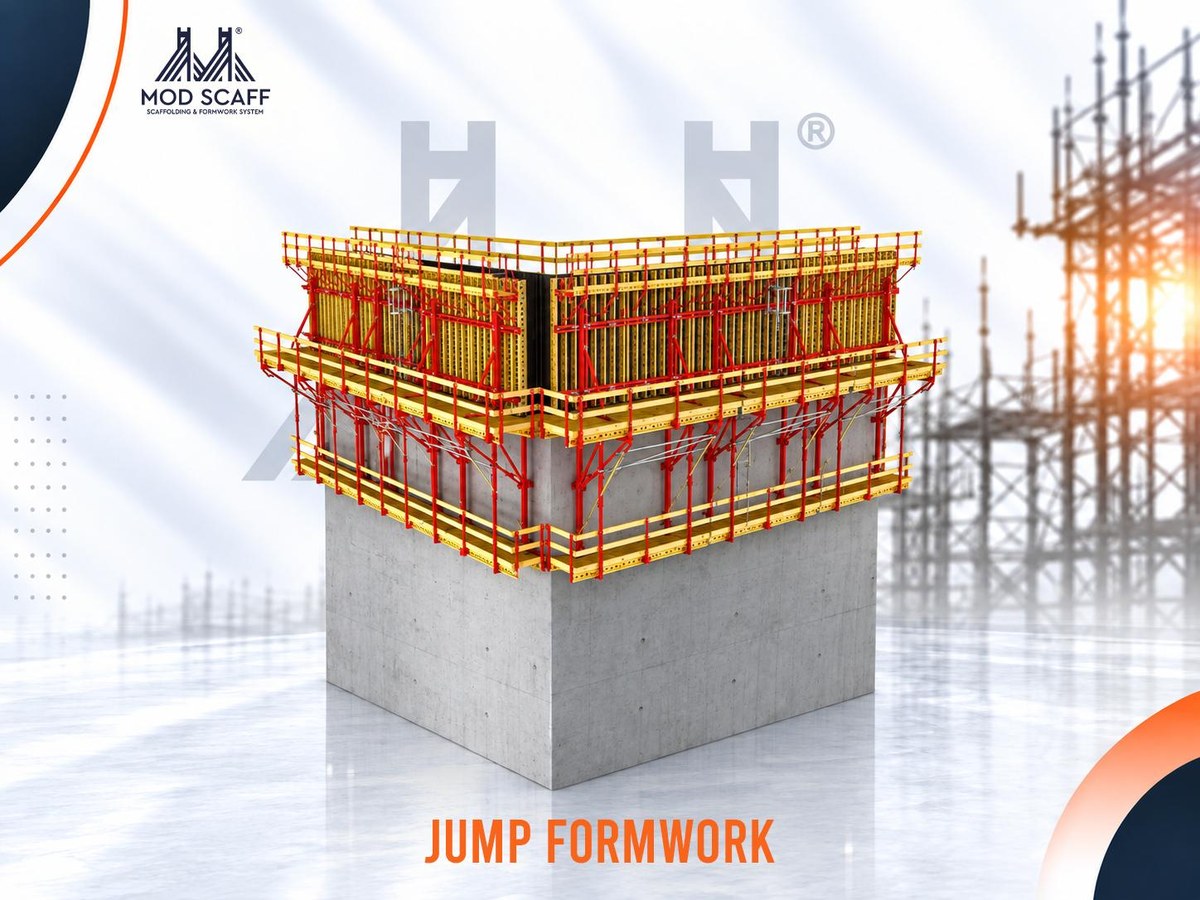
Jump Formwork
This is a self-climbing mild steel formwork, also called climbing form. It fixes onto concrete that has already set and climbs up level by level. Crews do not need a crane for each lift or outside scaffolding on every floor. The wall alignment and finish stay even on every lift. It is built to climb again and again. Used for shear walls, core walls and bridge pylons.
View details →












Can't find what you're looking for?
We fabricate custom formwork and scaffolding to your project drawings. Share your requirement and our team will get back with specifications and pricing.
Request custom fabrication →